


November 6, 2025

Understanding the Concept of “Landing the Right Role”
For many professionals, career advancement often feels like a never-ending climb. Yet, success isn’t merely about reaching the top, it’s about landing the right role, one that aligns with your purpose, strengths, and values. The “right role” isn’t necessarily the one with the biggest paycheck or the fanciest title. It’s the position where your natural abilities meet meaningful impact. A place where you don’t just perform, but thrive.
In today’s fast-evolving job market, alignment has become the new metric for success. Professionals who understand and utilize their core strengths consistently report higher engagement, stronger performance, and greater fulfillment.
The Misconception of Career Success and Landing the Right Role
Many executives and senior leaders mistakenly equate success with prestige…
…climbing the corporate ladder, securing a C-suite title, or managing larger teams. However, true satisfaction comes when your role complements your innate talents. Pursuing promotions without considering alignment often leads to burnout, disengagement, and even imposter syndrome.
In contrast, when your role resonates with who you naturally are, work becomes energizing rather than draining. You feel confident, perform better, and attract opportunities that compound your success. Because you landed the right role for you.
Why Strengths Matter More Than Skills in Landing the Right Role
The Science Behind Strengths-Based Careers
Research from Gallup reveals that employees who use their strengths daily are six times more likely to be engaged in their work. Strengths represent our natural patterns of thought, feeling, and behavior. The things that energize us and come easily. Skills, on the other hand, are learned capabilities.
When professionals build their careers around strengths, they experience what psychologists call “flow”. A state of deep focus and enjoyment where performance peaks naturally. This is what happens when landing the right role.
How Strengths Drive Sustainable Career Growth
Skills can be trained, but strengths compound. A professional who leverages their innate talents consistently builds confidence and competence faster than one who’s merely developing new skills out of necessity. Over time, this creates momentum, the kind that propels careers forward without constant effort.
When your strengths and responsibilities align, growth feels organic. You stop fighting uphill battles and start performing from a position of effortless advantage.
Self-Discovery: Identifying Your Core Strengths
Tools and Frameworks for Strengths Identification to Helping in Landing the Right Role
To land the right role, you must first understand yourself deeply. Tools like CliftonStrengths, DISC profiles, and ProfileXT offer powerful insights into who you are and how you work best.
The ProfileXT assessment, in particular, provides a comprehensive, data-driven analysis of your cognitive abilities, behavioral traits, and occupational interests. Helping you pinpoint not only what you’re naturally good at but also where you’re most likely to excel professionally.
Together, these frameworks reveal why you perform well in certain environments, uncover recurring patterns in your success, and guide you toward career decisions that play to your unique strengths and natural fit.
Related: Stop Guessing Your Next Move. How the ProfileXT® Gives Black Women Real Career Clarity
Reflecting on Past Successes to Find Patterns
Another powerful approach is reflective analysis. Think back to moments in your career where you felt both successful and energized. What were you doing? What strengths were at play? Perhaps you thrive when solving complex problems, mentoring others, or influencing strategic direction. These are clues that point toward your professional “sweet spot.”
Aligning Strengths with Career Opportunities
The Role of Values and Motivation in Career Alignment
Strengths alone don’t guarantee fit and landing the right role. Alignment also requires harmony with your core values and motivators. For instance, a strategic thinker who values autonomy may not thrive in a rigid hierarchy. Understanding both what you’re great at and what drives you helps identify roles where you’ll flourish, not just function.
How to Evaluate Job Descriptions through the Lens of Strengths
When reviewing opportunities, look beyond job titles. Ask: Will this role allow me to use my top strengths regularly? Scrutinize job descriptions for clues like collaboration requirements, leadership expectations, innovation opportunities. And evaluate whether these align with your natural style. I don’t know about you, but working for a micromanager killed all enjoyment for me at work. No matter how much I loved the aspects of the job.
Real-World Examples of Strengths Alignment
Case Study: The Leader Who Found Fulfillment Beyond Promotion
Consider an executive who turned down a promotion to stay in a strategic advisory role. Instead of chasing hierarchy, they focused on their strengths – analysis, mentoring, and decision-making. The result? Greater impact, recognition, and happiness.
Case Study: The Executive Who Rediscovered Passion through Coaching
Another senior leader transitioned from operations to executive coaching after realizing her strength lay in developing people, not managing systems. By pivoting toward her true strengths, she reignited passion and achieved more meaningful success.
Common Pitfalls in Landing the Right Role When Ignoring Strengths
The Cost of Misalignment
Ignoring your strengths is the path that leads down the road career fatigue, or burnout. You might perform well on paper but feel unfulfilled or constantly drained. Misalignment erodes confidence, engagement, and health, and can even stall your long-term growth.
Why Strengths-Blind Leadership Leads to Attrition
Organizations that ignore strengths suffer too. Gallup data shows that teams led by strengths-aware managers experience significantly less turnover and higher productivity. Leaders who neglect this alignment risk disengaging their best talent.
Practical Steps to Land the Right Role Using Strengths
Crafting Your Resume and LinkedIn Profile Around Strengths
Highlight roles and achievements where your strengths drove measurable results. Use language that reflects energy and authenticity. This attracts recruiters who value alignment over credentials alone.
Interviewing with Strengths in Mind
In interviews, articulate stories that showcase how your strengths contributed to success. Frame challenges as opportunities where your natural abilities created impact.
Negotiating from a Position of Strength
When negotiating and discussing offers, focus on fit. Ask about the company’s culture, leadership style, and expectations to ensure the role supports your best self.
Strengths Alignment Is the Shortcut to Career Fulfillment
Landing the right role isn’t about luck. It’s about clarity and alignment. When you understand your unique strengths and pursue opportunities that amplify them, success follows naturally. Senior professionals who lead with self-awareness not only achieve faster results but also experience deeper satisfaction and purpose in their careers.
Your next role should feel like a glove that fits perfectly, not armor you have to wear.
FAQs About Landing the Right Role
Q1: How do I know if I’m in the wrong role?
If you feel consistently drained, disengaged, or uninspired despite success, you’re likely misaligned with your strengths.
Q2: Can strengths change over time?
Core strengths remain stable, but how you apply them can evolve with experience and context.
Q3: What’s the best tool to identify my strengths?
ProfileXT® is a leading tool for professional insight. That’s why I added it to the list of professional tools (I also use DISC) use in my coaching. Don’t forget that reflection and feedback are equally valuable.
Q4: How do I communicate my strengths to potential employers?
Use real examples of impact that highlight how your strengths improved outcomes.
Q5: Can focusing on strengths limit my growth?
Not at all. Focusing on strengths actually accelerates growth by maximizing natural potential.
Q6: How do I balance strengths and weaknesses?
Leverage your strengths to compensate for weaknesses, or collaborate with those who complement your skill gaps.

I know what it feels like to stumble through a career transition. I flubbed my first move from the military so badly it took me over a decade to rebuild my confidence. That experience fuels my mission today.
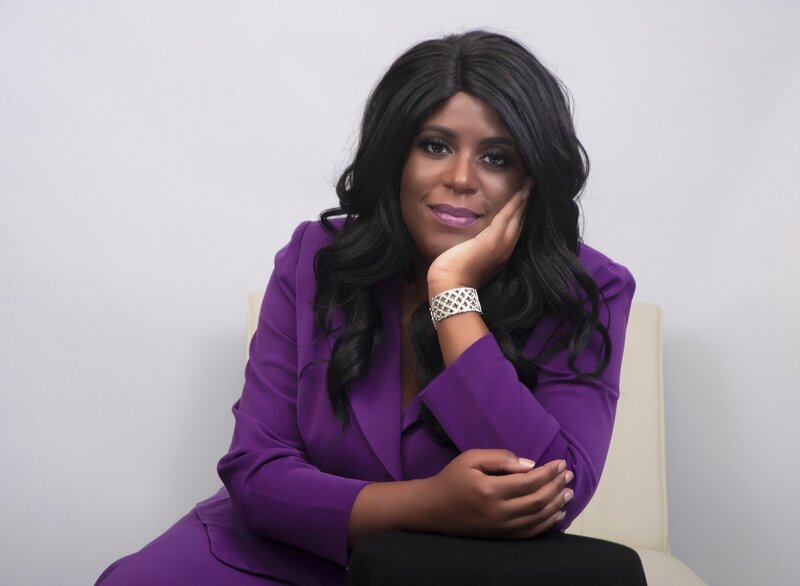
I’m Dr. Twanna, Certified Executive Coach and ICF PCC who helps Black women executives secure bigger bonuses, increase visibility, and create the space to actually enjoy life. I understand the weight of imposter syndrome and the pressure to constantly prove yourself at the top. My coaching equips leaders with the tools, strategies, and confidence to navigate career challenges with clarity and authority.
✨ Ready to shift from overworked to unstoppable? Let’s talk.
Read my latest blogs…
- Executive Time Management Is Not a Scheduling Fix
 What you’ll take away You have tried the apps. The color-coded calendar. The time-blocking system a productivity guru swore would change your… Read more: Executive Time Management Is Not a Scheduling Fix
 - Delegation for Leaders: Why Letting Go Feels UnsafeKey Points: You know you should delegate. You have read the articles. You understand, intellectually, that holding everything yourself is unsustainable and… Read more: Delegation for Leaders: Why Letting Go Feels Unsafe
- Over-Functioning: You Were Never Meant to Carry It AllKey Points: You are the one who catches what everyone else misses. You revise the deck nobody asked you to touch. You… Read more: Over-Functioning: You Were Never Meant to Carry It All
- Executive Coaching That Actually Fits Black Women NowKey Points: You have likely encountered plenty of leadership advice. The books, the workshops, the well-meaning mentors telling you to lean in,… Read more: Executive Coaching That Actually Fits Black Women Now
- The Soul Tax: The Real Cost of Success You Keep PayingKey Takeaways: You are successful by every external measure. The title, the salary, the respect. And yet, somewhere underneath it, there is… Read more: The Soul Tax: The Real Cost of Success You Keep Paying
- Career Advancement: From Overlooked to Recognized LeaderKey Takeaways You have the track record. The results, the reviews, the respect of the people who actually work with you. By… Read more: Career Advancement: From Overlooked to Recognized Leader
- The Visibility Tax: Why Your Excellence Goes UnseenKey Takeaways You are the one the team quietly depends on. The person who catches the error before it ships, who steadies… Read more: The Visibility Tax: Why Your Excellence Goes Unseen
- Work-Life Integration. Stop Paying the Self Tax NowBefore you read, here are the Key Points: You can name the deadline for every project on your plate. You know your… Read more: Work-Life Integration. Stop Paying the Self Tax Now






+ show Comments
- Hide Comments
add a comment