




November 23, 2025

Understanding Workplace Isolation for Executive Black Women
Workplace isolation for executive Black Women is a deeply layered experience. One that touches confidence, visibility, emotional health, and career direction. Even when sitting in leadership positions, many Black women feel like they’re operating alone, unseen, or unsupported.
I know this reality firsthand.
Long before I became an executive coach, I started my professional life in one of the most demanding environments imaginable, as a commissioned officer in the United States Army. And while the title looked impressive on paper, the lived experience was anything but glamorous.
I was the only Black woman officer in my unit, surrounded by people who didn’t understand me, didn’t mentor me, and didn’t create space for me to be heard. I was expected to lead without guidance, speak up without psychological safety, and perform without support.
Those early years shaped me in ways I didn’t fully understand then. I pushed myself past exhaustion. I hid my doubts. I moved through each day feeling powerful on the outside but invisible on the inside. I was leading soldiers… yet I felt profoundly alone.
And that is exactly what workplace isolation feels like for so many executive Black women today. You can sit at the table week after week, yet still feel unseen, unsupported, and misunderstood.
The Unique Pressures of Leadership as a Black Woman
The intersection of race and gender creates unique pressures that other leaders simply don’t experience. Executive Black women carry:
- Constant pressure to prove themselves
- Unfair scrutiny when mistakes happen
- Limited emotional freedom
- The responsibility of representation
- Invisible expectations to mentor others
This “identity tax” isn’t theoretical. It’s deeply personal. I lived it in the Army, and I carried it into my first years after transitioning into civilian life.
When I left the military, I walked into the civilian world with leadership skills, discipline, and commitment, but no roadmap. I didn’t know how my strengths translated. I didn’t know where to begin. I didn’t have a sponsor or a guide.
The isolation followed me.
Corporations tried to force me into sales roles, not because sales matched my strengths, but because they wanted a Black woman on the team. They weren’t seeing me, they were seeing a checkbox. And because my confidence and self-esteem had been chipped away for years, I blamed myself when I didn’t thrive in roles that were never aligned with who I truly was.
That’s the heart of workplace isolation:
You begin to question your talent when it’s actually the environment that’s misaligned.
How Workplace Isolation Shows Up in Corporate Environments
Workplace isolation for executive Black Women often shows up through:
- Being excluded from power networks
- Not receiving real feedback
- Being present but not included
- Feeling like your presence shifts the room
- Limited access to sponsors
- Being the “only one” in leadership spaces
And sometimes, the isolation isn’t loud.
It’s subtle, quiet, and consistent enough to make you wonder if you’re overreacting. Until one day, you realize you’ve been surviving alone in a place where others are supported.
The Historical Context of Workplace Isolation
Corporate systems and leadership structures were never designed to support Black women. That’s why so many of us are still navigating cultures built without us in mind.
Leadership representation is still limited. Decision-making spaces are still guarded. And stereotypes continue to shape how Black women are perceived.
The Legacy of Stereotypes and Bias
Stereotypes like the “angry Black woman” or “strong Black woman” restrict authenticity. These labels discourage vulnerability and reinforce the expectation that Black women must always be strong. Even in environments that chip away at our well-being.
How Structural Racism Reinforces Workplace Isolation
Black women leaders face fewer opportunities for sponsorship, reduced visibility, and very little representation in senior executive roles. This lack of structural support reinforces emotional isolation, internalized pressure, and burnout.
Emotional and Psychological Impact of Workplace Isolation
The emotional weight of isolation includes:
- Second-guessing decisions
- Hypervigilance
- Chronic stress
- Feeling overlooked
- Decision fatigue
- Emotional exhaustion
I remember those feelings intimately. After years of navigating leadership without support, I internalized the belief that I was the problem. But everything shifted the day I finally understood myself, my values, my strengths, my natural tendencies.
It wasn’t that I wasn’t capable.
It was that I had been placed in roles that didn’t align with my true gifts.
That clarity changed everything.
Impact of Workplace on Career Advancement
Workplace isolation limits access to relationships, visibility, and opportunities that fuel advancement. Many executive Black women have talent and capability, but lack sponsorship, recognition, or structural support.
11 Strategies to Overcome Workplace Isolation for Executive Black Women
These strategies are the same ones I use today when coaching Black women executives and the same principles I built into my Visible Executive Career Pivot Program.
Strategy #1: Build a Personal Board of Directors to Reduce Workplace Isolation
No one thrives alone, and Black women leaders should never feel like they have to. Every Black woman in leadership deserves a strong circle. A team of mentors who offer wisdom, sponsors who advocate for them in rooms they’re not in, allies who use their influence to open doors, and coaches who provide clarity, direction, and emotional support. This circle of support doesn’t just help women advance. It helps them feel seen, supported, and empowered as they rise.
Strategy #2: Cultivate Safe Professional Communities
Black women need spaces where they can be fully seen. Affinity groups, professional communities, and curated sisterhood circles provide connection and validation.
This is exactly why I designed my program as a group experience, because strategy helps, but sisterhood heals.
Strategy #3: Master Emotional Intelligence
Emotional intelligence strengthens leadership presence and protects peace. It helps you regulate stress, communicate with intention, and set boundaries confidently.
Strategy #4: Leverage Executive Coaching Support to Decrease Workplace Isolation
When I finally received clarity about who I truly was, my strengths, my values, the environments where I naturally thrive, everything in my career shifted. The confusion lifted. The doubt settled. And for the first time, I could see a path that actually fit me.
That’s the power of true alignment. Executive coaching gives Black women that same kind of clarity, deep, grounded, life-changing clarity. But without the years of struggle, trial and error, or carrying the weight of trying to figure it all out alone. Coaching accelerates what would otherwise take years, helping you move with confidence, intention, and a renewed sense of purpose.
Strategy #5: Enhance Visibility and Influence
Workplace isolation thrives in the shadows, quietly undermining confidence and making even the most talented Black women feel overlooked. Visibility, however, shifts everything. When you allow your voice, your accomplishments, and your presence to be seen, you build credibility, expand your influence, and open doors to opportunities that were never accessible in the dark. Visibility isn’t about showing off. It’s about standing fully in who you are so the right people, resources, and roles can finally find you.
Strategy #6: Prioritize Well-Being and Stress Management
Black women often push themselves past exhaustion, just as I did in my early career, carrying the pressure to excel and represent at all times. But healing begins when you finally give yourself permission to rest. Rest isn’t a luxury it’s a necessary act of power and preservation.
Strategy #7: Navigate Microaggressions With Power
Clear scripts, firm boundaries, and consistent documentation help protect both emotional and professional well-being. By giving Black women practical tools to respond to microaggressions, maintain their peace, and create a record that supports them if issues need to be escalated.
Strategy #8: Advocate for Structural Change at Work
Black women shouldn’t carry the burden of fixing workplaces, and they don’t have to. Instead, they can choose whether to use their influence to spark change or channel their energy into finding environments that already value equity, inclusion, and their full leadership potential.
Strategy #9: Set and Enforce Boundaries
Boundaries protect your energy, time, and mental health by creating clear limits around what you’re willing to accept and where you choose to invest yourself. They act as a safeguard against overwhelm, help prevent burnout, and give you the space to show up as your best self. Most importantly, boundaries reclaim your agency by reminding you that you’re in control of your workload, your emotional capacity, and the way others engage with you.
Strategy #10: Strengthen Confidence and Mindset
Confidence isn’t about external achievements. It’s about alignment, knowing who you are, how you’re wired, and what environments allow you to thrive. When I finally understood my natural strengths, values, and leadership style, everything clicked. The anxiety eased, the self-doubt quieted, and for the first time, I could make decisions from a place of clarity instead of survival.
That’s the same transformation I help Black women experience for themselves. Shifting from questioning their worth to confidently owning their power because they finally understand the truth of who they are.
Strategy #11: Create Career Mobility Through Strategic Positioning
Sometimes the environment isn’t fixable, no matter how hard you work, how well you perform, or how much you try to advocate for yourself. And when a workplace refuses to evolve, the most powerful move you can make is choosing yourself.
Sometimes the next step is a new, aligned opportunity. One that reflects your values, honors your voice, and recognizes your brilliance without requiring you to shrink or struggle to be seen. Career mobility isn’t running away. But it is opening the door to freedom, confidence, and the limitless possibilities that come when you finally step into a space where you can thrive instead of merely survive.
Workplace Isolation for Executive Black Women. Key Takeaways
- Isolation is structural, not personal
- Clarity changes everything
- Support accelerates growth
- Community restores confidence
- Black women deserve spaces that pour back into them
Final Thoughts
Workplace isolation for executive Black Women is real, but it is not permanent. Once you gain clarity about who you truly are, the environments where you thrive, and the strengths you naturally bring, everything changes.
That’s why I created the Visible Executive Career Pivot Program, to help Black women stop surviving in silence and finally start thriving with clarity, confidence, emotional peace, and a career aligned with their truth.
You no longer have to navigate leadership alone. There is power, safety, and transformation waiting on the other side of community and clarity.
FAQs
1. Why is workplace isolation so common for executive Black women?
Because many are “the only one” or one of a few in leadership, which creates social, emotional, and structural isolation.
2. How does isolation affect leadership performance?
It increases stress and self-doubt, making decisions feel heavier and reducing the joy of leadership.
3. What’s the best way to handle microaggressions at work?
Use clear scripts, set boundaries, document incidents, and escalate when appropriate.
4. Can coaching help reduce isolation?
Absolutely! Coaching provides emotional support, strategy, and confidence-building.
5. How can organizations reduce isolation for Black women?
By improving representation, addressing bias, and ensuring equitable support systems.
6. Should I leave my job if isolation becomes overwhelming?
If efforts to improve the environment fail, exploring healthier workplaces is a valid and empowering choice.

I know what it feels like to stumble through a career transition. I flubbed my first move from the military so badly it took me over a decade to rebuild my confidence. That experience fuels my mission today.
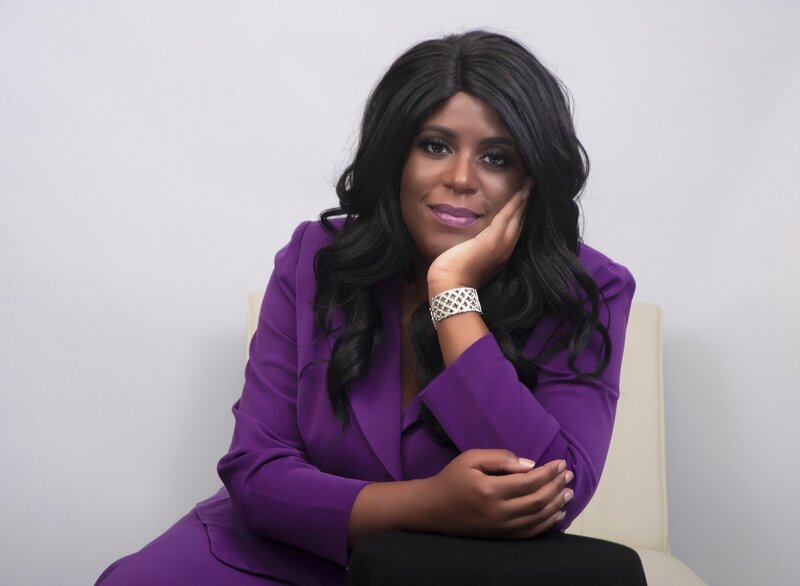
I’m Dr. Twanna, Certified Executive Coach and ICF PCC who helps Black women executives secure bigger bonuses, increase visibility, and create the space to actually enjoy life. I understand the weight of imposter syndrome and the pressure to constantly prove yourself at the top. My coaching equips leaders with the tools, strategies, and confidence to navigate career challenges with clarity and authority.
✨ Ready to shift from overworked to unstoppable? Let’s talk.
Read my latest blogs…
- Over-Functioning: You Were Never Meant to Carry It All
 Key Points: You are the one who catches what everyone else misses. You revise the deck nobody asked you to touch.… Read more: Over-Functioning: You Were Never Meant to Carry It All
 - Executive Coaching That Actually Fits Black Women NowKey Points: You have likely encountered plenty of leadership advice. The books, the workshops, the well-meaning mentors telling you to lean… Read more: Executive Coaching That Actually Fits Black Women Now
- The Soul Tax: The Real Cost of Success You Keep PayingKey Takeaways: You are successful by every external measure. The title, the salary, the respect. And yet, somewhere underneath it, there… Read more: The Soul Tax: The Real Cost of Success You Keep Paying
- Career Advancement: From Overlooked to Recognized LeaderKey Takeaways You have the track record. The results, the reviews, the respect of the people who actually work with you.… Read more: Career Advancement: From Overlooked to Recognized Leader
- The Visibility Tax: Why Your Excellence Goes UnseenKey Takeaways You are the one the team quietly depends on. The person who catches the error before it ships, who… Read more: The Visibility Tax: Why Your Excellence Goes Unseen
- Work-Life Integration. Stop Paying the Self Tax NowBefore you read, here are the Key Points: You can name the deadline for every project on your plate. You know… Read more: Work-Life Integration. Stop Paying the Self Tax Now
- How to Stop Shrinking Yourself and Start Owning Your Power in Every RoomHave you ever left a meeting kicking yourself for not speaking up, even though you had the perfect insight? Or accepted… Read more: How to Stop Shrinking Yourself and Start Owning Your Power in Every Room
- Executive Presence – The Performance Tax That Drains YouKey Points: By the time you get home, you are not just tired. You are hollowed out. Not from the strategic… Read more: Executive Presence – The Performance Tax That Drains You
Recommended reading list
“Melaninated Magic: 180 Affirmations to Nurture Your Soul and Unleash Your Black Girl Joy ” by Twanna Carter, PhD
“Burnout: The Secret to Unlocking the Stress Cycle” by Emily Nagoski, PhD
“I’m Not Yelling: A Black Woman’s Guide to Navigating the Workplace (Successful Black Business Women)” by Elizabeth Leiba.
“Crucial Conversations: Tools for Talking When Stakes Are High” by Kerry Patterson, Joseph Grenny, Ron McMillan, and Al Switzler.
“Influence: The Psychology of Persuasion” by Robert B. Cialdini.
“How to Win Friends and Influence People” by Dale Carnegie.
“Lean In: Women, Work, and the Will to Lead” by Sheryl Sandberg.
“Dare to Lead” by Brene Brown.
“The Memo” by Minda Harts.
“Atomic Habits: An Easy & Proven Way to Build Good Habits & Break Bad Ones” by James Clear
“Worthy: How to Believe You Are Enough and Transform Your Life” by Jamie Kern Lima
“Negotiating While Black: Be Who You Are to Get What You Want”, by Damali Peterman
“Unbreak My Soul: How Black Women Can Begin To Heal From Workplace Trauma” by Carey Yazeed, PhD
“Becoming A Great Leader: The Actionable Guide for Becoming An Outstanding Leader” by Dr. Francesca Abii
“The Next Level 30-Day Planner” by Dr. Twanna Carter






+ show Comments
- Hide Comments
add a comment