


group of Black women executives; Why So Many Black Women Executives Secretly Battle Imposter Syndrome (And How They’re Winning Anyway); find Black executive coach near; best Black executive coach near; Black entrepreneur coach for Black women

Impostor Syndrome

Why So Many Black Women Executives Secretly Battle Imposter Syndrome (And How They’re Winning Anyway)

February 7, 2026

group of Black women executives; Why So Many Black Women Executives Secretly Battle Imposter Syndrome (And How They’re Winning Anyway); find Black executive coach near; best Black executive coach near; Black entrepreneur coach for Black women
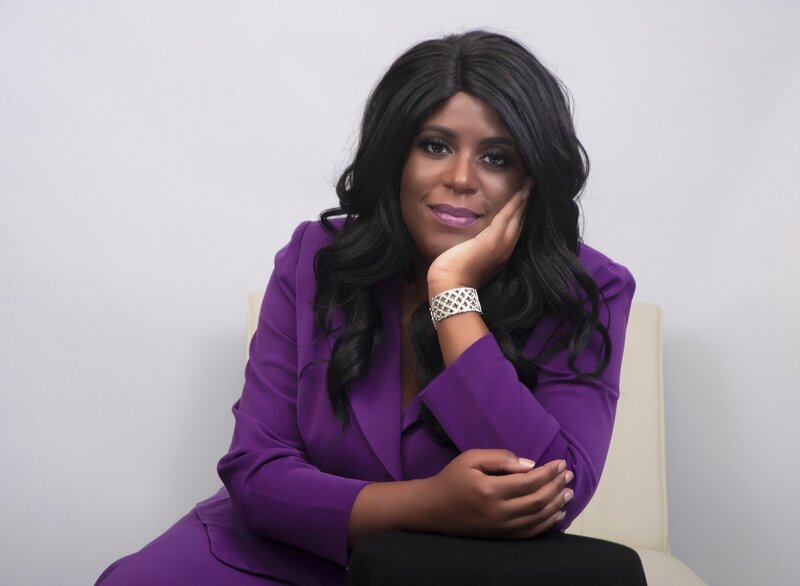
Image created by Author using Sintra*

The Hidden Struggle of Black Women Executives

For many Black women executives, professional success often hides a quieter internal struggle…

…the constant fear of not being “good enough,” even after years of achievement. This persistent self-doubt is known as imposter syndrome, and it reveals how even top-performing women can secretly battle imposter syndrome behind their professional success.

Imposter syndrome isn’t just about lacking confidence; it’s about feeling undeserving of success in systems that have long excluded or underestimated Black women. When you’re often the only one in the boardroom who looks like you, the weight of representation can make your victories feel temporary and your mistakes feel amplified.

This article explores the psychology behind why so many Black women executives secretly battle imposter syndrome, the unique pressures they face, and practical ways to rise above self-doubt while leading with confidence and authenticity.


What Is Imposter Syndrome, Really?

The term imposter syndrome was first introduced by psychologists Pauline Clance and Suzanne Imes in 1978. It describes high-achieving individuals who doubt their abilities and fear being exposed as frauds, despite clear evidence of competence.

For executives who secretly battle imposter syndrome, it can sound like:

  • “They only hired me to fill a quota.”
  • “I just got lucky with that promotion.”
  • “If I make one mistake, everyone will realize I’m not qualified.”

These thoughts don’t match reality, but they can feel overwhelmingly real. And for Black women executives, these feelings are often reinforced by cultural, racial, and gender-based barriers that make belonging harder to feel, even when it’s well-earned.


The Double Bind: Navigating Race and Gender in Leadership

Walking the Tightrope Between Strength and Stereotypes

Black women leaders often find themselves in what psychologists call the “double bind.” They face judgment through two lenses, race and gender. And the expectations can be contradictory. Speak up too firmly, and you risk being labeled “angry.” Stay quiet, and you’re seen as weak or disengaged.

Example:
Take M., a senior VP at a major consulting firm. In meetings, when she voiced her opinions assertively, she was called “too aggressive.” When she softened her tone, her input was ignored. This constant balancing act left her exhausted. And convinced that every mistake would confirm someone’s bias about her. Like many leaders who secretly battle imposter syndrome, she internalized mixed feedback as proof she didn’t belong.

Stereotype Threat and Hyper-Visibility

Being one of few Black women in a room can make you feel like you’re under a microscope. I hated sitting in conference rooms where I was the only Black woman, and observe coworkers exchanging looks after I spoke. This heightened awareness, called stereotype threat, can lead to anxiety about confirming negative assumptions, like being “unqualified” or “too emotional.”

Even “compliments” such as “You’re so well-spoken” can sting. Because it suggests being surprised that a Black woman is articulate or polished. Over time, these moments chip away at confidence, feeding the cycle for those who secretly battle imposter syndrome daily.


Why So Many Black Women Executives Secretly Battle Imposter Syndrome

1. Early Conditioning and the “Twice as Good” Mentality

Many Black women grow up hearing they have to be “twice as good to get half as far.” While meant as motivation, this mindset often creates perfectionism and an overwhelming fear of failure. Mistakes start to feel like personal shame instead of natural learning moments.

2. Lack of Representation in Leadership

When few people in senior roles share your background, success can feel lonely and precarious. Without role models who look like them, many Black women executives question whether they truly belong. A key reason they secretly battle imposter syndrome despite obvious achievement.

3. The Strong Black Woman Myth

Society often glorifies Black women for their strength. But this myth can make it difficult to admit vulnerability. The pressure to be “unbreakable” leads many to internalize pain rather than seek support.


How Imposter Syndrome Shows Up at Work

Overworking to Earn Validation

Many executives with imposter syndrome cope by over performing. Working late, taking on extra projects, or never saying no. The constant hustle becomes a shield against insecurity but leads to burnout.

Downplaying Achievements

When imposter thoughts take over, even major accomplishments can feel undeserved. A promotion becomes “luck.” Praise feels uncomfortable. Success stops being a source of pride and turns into proof you must work even harder.

Fear of Exposure

The nagging worry, “What if they find out I’m not as good as they think?”, can lead to hesitation, self-censorship, and missed opportunities for growth. It’s not that Black executives lack ability. It’s that they underestimate their own brilliance, a hallmark sign of those who secretly battle imposter syndrome.


The Emotional and Professional Cost

Unchecked imposter syndrome doesn’t just drain confidence, it affects performance, health, and leadership potential.

  • Burnout: Overwork leads to fatigue, anxiety, and emotional exhaustion.
  • Career Stagnation: Fear of failure prevents risk-taking or promotion pursuit.
  • Isolation: Many Black women leaders who secretly battle imposter syndrome feel they must project perfection, which discourages vulnerability or connection.

A Harvard Business Review study found that professionals with imposter syndrome often overachieve but pay the price in emotional health. It’s an invisible tax on excellence.


Resilience: The Silent Power of Black Women Leaders

Despite these pressures, Black women have consistently led with brilliance and grace, often redefining what leadership looks like.

Consider Roz Brewer, former CEO of Walgreens Boots Alliance. She’s one of only a handful of Black women to lead a Fortune 500 company. Brewer has spoken about feeling isolated early in her career but credits mentorship and self-belief for helping her rise beyond self-doubt.

Similarly, Thasunda Brown Duckett, CEO of TIAA, emphasizes purpose-driven leadership. Her journey reminds us that even when they secretly battle imposter syndrome, Black women executives continue to achieve, lead, and inspire.

Black executive briefing her team; Why So Many Black Women Executives Secretly Battle Imposter Syndrome (And How They’re Winning Anyway); best Black executive coach near; executive coaching for Black women near; find Black executive coach near; executive career partner,
executive career partners,
executive coaching for Black women,


leadership coaching for Black women,


Black women executive coach,


coaching for Black women leaders,


Black women entrepreneurship coaching,


career coaching for Black women,


trauma-informed executive coaching,


burnout recovery for Black women,


workplace trauma Black women,


confidence coaching for Black women,

How to Rise Above Imposter Syndrome

  1. Reframe Your Inner Dialogue
    Your inner voice matters. Replace “I’m not qualified” with “I bring unique insight and value.”
    Try this exercise: Write down every major professional achievement, big or small. Review it weekly to remind yourself that your success is earned, not accidental.
  2. Find Mentors Who Get It
    Seek out mentors who understand the intersection of race and gender in leadership. Organizations like the Executive Leadership Council (ELC) connect Black executives with experienced leaders who’ve faced similar challenges.
  3. Build a Safe Support Network
    No one succeeds alone. Join networks or peer groups where authenticity is valued. Safe spaces like Black Women in Leadership Network or company ERGs (Employee Resource Groups) can help break isolation for those who secretly battle imposter syndrome.
  4. Practice Self-Compassion
    When self-doubt hits, ask yourself, “Would I say this to a friend?” If not, why say it to yourself? Confidence grows when you allow imperfection and give yourself grace to learn.
  5. Seek Professional Help
    Therapists specializing in racial identity and workplace stress can help unpack deeper insecurities. Therapy isn’t a weakness, it’s an act of leadership and emotional intelligence.


The Responsibility of Organizations and Allies

Imposter syndrome thrives in environments that make people feel unseen or undervalued.

Companies can play a vital role by:

  • Redefining leadership traits to embrace diverse communication and leadership styles.
  • Investing in mentorship and sponsorship programs for Black women executives.
  • Promoting transparency and inclusion at every level of leadership.

True allyship means sharing power. Not just offering encouragement. It’s about changing systems so that those who secretly battle imposter syndrome can lead without constantly proving they belong.


Real Stories of Triumph Over Imposter Syndrome

A’s Story: From Overworking to Empowered Balance

A, a marketing executive, once worked 70-hour weeks to “prove” she was worthy of her title. After burning out, she joined a Black women’s leadership circle where she learned her worth wasn’t tied to exhaustion. Today, she leads confidently and unapologetically takes time to rest.

D’s Story: Turning Doubt into Mentorship

D, a manager in the tech sector, spent years questioning her credibility in meetings. She started keeping a record of her decisions and their impact. Seeing her tangible results helped quiet her doubt. Now, she mentors other Black women in IT to help them find the same clarity.

These stories prove that even those who secretly battle imposter syndrome can redefine success through resilience, reflection, and community.


Rounding It All Up. Owning Your Power, Not Your Doubt

For Black women executives, imposter syndrome is not proof of inadequacy. It’s a reflection of enduring in systems that still have catching up to do. But the truth is simple: you are not an exception to excellence. You are its embodiment.

Rising above imposter syndrome isn’t about silencing doubt. But it is about speaking louder than it. It’s about turning every “I’m not enough” into “I am evidence that we belong here.”

Because you do, and always have. And the more you openly acknowledge what you once secretly battled, the more power you claim back.


Frequently Asked Questions (FAQs)

1️⃣ Why do so many Black women executives secretly battle imposter syndrome?

Because they often work in environments where representation is limited, expectations are higher, and biases persist. These conditions create constant pressure to prove themselves, which fuels feelings of doubt and insecurity, even among the most accomplished leaders.


2️⃣ How can I tell if I secretly battle imposter syndrome?

Common signs include overworking to prove worth, dismissing achievements, feeling unqualified despite evidence of success, or fearing exposure as a “fraud.” If these thoughts persist despite success, you may be secretly battling imposter syndrome.


3️⃣ What are the best strategies to overcome imposter syndrome at work?

Start by documenting your wins, reframing negative self-talk, and seeking mentors who understand your experiences. Building supportive peer networks and practicing self-compassion are also powerful tools to stop secretly battling imposter syndrome.


4️⃣ How can organizations help leaders who secretly battle imposter syndrome?

Companies can foster inclusion by promoting diverse leadership, creating mentorship and sponsorship programs, and training managers to give bias-free feedback. An inclusive environment reduces the need to secretly battle imposter syndrome.


5️⃣ Can therapy or coaching help if I secretly battle imposter syndrome?

Yes. Working with a culturally competent therapist or leadership coach can help unpack perfectionism, identity pressure, and systemic stress. Helping you move from secretly battling imposter syndrome to confidently owning your success.


how to stop self-sabotage managing negative self-talk overcoming imposter syndrome turning off the inner critic self-doubt and the inner critic inner voice vs inner critic healing the inner critic inner critic and leadership the voice that holds you back how to retrain your inner critic understanding self-sabotaging thoughts inner critic and emotional burnout building confidence after self-criticism is your inner critic protecting you why your inner critic exists self-talk for Black women leaders find Black executive coach near; best Black executive coach near; find Black career coach near; best Black career coach; executive coaching for Black women; how to protect yourself from being managed out; being too much; boundaries; soft life; build your powerbase; powerful network; executive leadership coaching for black women; executive presence coaching for black women; vp promotion coaching; svp promotion coaching; personal branding for executives, storytelling; micro-break, executive burnout coach near; find burnout coach near; LinkedIn Audit; break the cycle of second-guessing and doubt; quiet cracking; quiet the inner critic; fear-based leadership; Black women entrepreneurs; fear of starting a business

I’m Dr. T,  Certified Executive Coach, ICF PCC, and trusted partner to high-achieving leaders seeking clarity, confidence, and sustainable success. As one of the premier executive career partners, I help Black women executives secure bigger bonuses, increase their visibility, and finally create the space to enjoy the life they’ve worked so hard for.

I understand the weight of imposter syndrome and the pressure to constantly prove yourself at the top. My coaching equips leaders with the tools, strategies, and inner authority to navigate career challenges with clarity, confidence, and executive presence.

✨ Ready to shift from overworked to unstoppable? Let’s talk.

Read My Latest Blogs…

If you love the images in this post, I created them using *Sintra, my go-to tool for creating fast, beautiful visuals and running my business smoothly. You can try it here: Sintra app.


Hello, I'm  Dr. Twanna
Ready to Make Your Dreams Happen?
And live your best life  now?
tell me more


.

February 7, 2026

Executive Coaching, Imposter Syndrome, Impostor Syndrome

group of Black women executives; Why So Many Black Women Executives Secretly Battle Imposter Syndrome (And How They’re Winning Anyway); find Black executive coach near; best Black executive coach near; Black entrepreneur coach for Black women
Image created by Author using Sintra*

The Hidden Struggle of Black Women Executives

For many Black women executives, professional success often hides a quieter internal struggle…

…the constant fear of not being “good enough,” even after years of achievement. This persistent self-doubt is known as imposter syndrome, and it reveals how even top-performing women can secretly battle imposter syndrome behind their professional success.

Imposter syndrome isn’t just about lacking confidence; it’s about feeling undeserving of success in systems that have long excluded or underestimated Black women. When you’re often the only one in the boardroom who looks like you, the weight of representation can make your victories feel temporary and your mistakes feel amplified.

This article explores the psychology behind why so many Black women executives secretly battle imposter syndrome, the unique pressures they face, and practical ways to rise above self-doubt while leading with confidence and authenticity.


What Is Imposter Syndrome, Really?

The term imposter syndrome was first introduced by psychologists Pauline Clance and Suzanne Imes in 1978. It describes high-achieving individuals who doubt their abilities and fear being exposed as frauds, despite clear evidence of competence.

For executives who secretly battle imposter syndrome, it can sound like:

  • “They only hired me to fill a quota.”
  • “I just got lucky with that promotion.”
  • “If I make one mistake, everyone will realize I’m not qualified.”

These thoughts don’t match reality, but they can feel overwhelmingly real. And for Black women executives, these feelings are often reinforced by cultural, racial, and gender-based barriers that make belonging harder to feel, even when it’s well-earned.


The Double Bind: Navigating Race and Gender in Leadership

Walking the Tightrope Between Strength and Stereotypes

Black women leaders often find themselves in what psychologists call the “double bind.” They face judgment through two lenses, race and gender. And the expectations can be contradictory. Speak up too firmly, and you risk being labeled “angry.” Stay quiet, and you’re seen as weak or disengaged.

Example:
Take M., a senior VP at a major consulting firm. In meetings, when she voiced her opinions assertively, she was called “too aggressive.” When she softened her tone, her input was ignored. This constant balancing act left her exhausted. And convinced that every mistake would confirm someone’s bias about her. Like many leaders who secretly battle imposter syndrome, she internalized mixed feedback as proof she didn’t belong.

Stereotype Threat and Hyper-Visibility

Being one of few Black women in a room can make you feel like you’re under a microscope. I hated sitting in conference rooms where I was the only Black woman, and observe coworkers exchanging looks after I spoke. This heightened awareness, called stereotype threat, can lead to anxiety about confirming negative assumptions, like being “unqualified” or “too emotional.”

Even “compliments” such as “You’re so well-spoken” can sting. Because it suggests being surprised that a Black woman is articulate or polished. Over time, these moments chip away at confidence, feeding the cycle for those who secretly battle imposter syndrome daily.


Why So Many Black Women Executives Secretly Battle Imposter Syndrome

1. Early Conditioning and the “Twice as Good” Mentality

Many Black women grow up hearing they have to be “twice as good to get half as far.” While meant as motivation, this mindset often creates perfectionism and an overwhelming fear of failure. Mistakes start to feel like personal shame instead of natural learning moments.

2. Lack of Representation in Leadership

When few people in senior roles share your background, success can feel lonely and precarious. Without role models who look like them, many Black women executives question whether they truly belong. A key reason they secretly battle imposter syndrome despite obvious achievement.

3. The Strong Black Woman Myth

Society often glorifies Black women for their strength. But this myth can make it difficult to admit vulnerability. The pressure to be “unbreakable” leads many to internalize pain rather than seek support.


How Imposter Syndrome Shows Up at Work

Overworking to Earn Validation

Many executives with imposter syndrome cope by over performing. Working late, taking on extra projects, or never saying no. The constant hustle becomes a shield against insecurity but leads to burnout.

Downplaying Achievements

When imposter thoughts take over, even major accomplishments can feel undeserved. A promotion becomes “luck.” Praise feels uncomfortable. Success stops being a source of pride and turns into proof you must work even harder.

Fear of Exposure

The nagging worry, “What if they find out I’m not as good as they think?”, can lead to hesitation, self-censorship, and missed opportunities for growth. It’s not that Black executives lack ability. It’s that they underestimate their own brilliance, a hallmark sign of those who secretly battle imposter syndrome.


The Emotional and Professional Cost

Unchecked imposter syndrome doesn’t just drain confidence, it affects performance, health, and leadership potential.

  • Burnout: Overwork leads to fatigue, anxiety, and emotional exhaustion.
  • Career Stagnation: Fear of failure prevents risk-taking or promotion pursuit.
  • Isolation: Many Black women leaders who secretly battle imposter syndrome feel they must project perfection, which discourages vulnerability or connection.

A Harvard Business Review study found that professionals with imposter syndrome often overachieve but pay the price in emotional health. It’s an invisible tax on excellence.


Resilience: The Silent Power of Black Women Leaders

Despite these pressures, Black women have consistently led with brilliance and grace, often redefining what leadership looks like.

Consider Roz Brewer, former CEO of Walgreens Boots Alliance. She’s one of only a handful of Black women to lead a Fortune 500 company. Brewer has spoken about feeling isolated early in her career but credits mentorship and self-belief for helping her rise beyond self-doubt.

Similarly, Thasunda Brown Duckett, CEO of TIAA, emphasizes purpose-driven leadership. Her journey reminds us that even when they secretly battle imposter syndrome, Black women executives continue to achieve, lead, and inspire.

Black executive briefing her team; Why So Many Black Women Executives Secretly Battle Imposter Syndrome (And How They’re Winning Anyway); best Black executive coach near; executive coaching for Black women near; find Black executive coach near; executive career partner,
executive career partners,
executive coaching for Black women,


leadership coaching for Black women,


Black women executive coach,


coaching for Black women leaders,


Black women entrepreneurship coaching,


career coaching for Black women,


trauma-informed executive coaching,


burnout recovery for Black women,


workplace trauma Black women,


confidence coaching for Black women,

How to Rise Above Imposter Syndrome

  1. Reframe Your Inner Dialogue
    Your inner voice matters. Replace “I’m not qualified” with “I bring unique insight and value.”
    Try this exercise: Write down every major professional achievement, big or small. Review it weekly to remind yourself that your success is earned, not accidental.
  2. Find Mentors Who Get It
    Seek out mentors who understand the intersection of race and gender in leadership. Organizations like the Executive Leadership Council (ELC) connect Black executives with experienced leaders who’ve faced similar challenges.
  3. Build a Safe Support Network
    No one succeeds alone. Join networks or peer groups where authenticity is valued. Safe spaces like Black Women in Leadership Network or company ERGs (Employee Resource Groups) can help break isolation for those who secretly battle imposter syndrome.
  4. Practice Self-Compassion
    When self-doubt hits, ask yourself, “Would I say this to a friend?” If not, why say it to yourself? Confidence grows when you allow imperfection and give yourself grace to learn.
  5. Seek Professional Help
    Therapists specializing in racial identity and workplace stress can help unpack deeper insecurities. Therapy isn’t a weakness, it’s an act of leadership and emotional intelligence.


The Responsibility of Organizations and Allies

Imposter syndrome thrives in environments that make people feel unseen or undervalued.

Companies can play a vital role by:

  • Redefining leadership traits to embrace diverse communication and leadership styles.
  • Investing in mentorship and sponsorship programs for Black women executives.
  • Promoting transparency and inclusion at every level of leadership.

True allyship means sharing power. Not just offering encouragement. It’s about changing systems so that those who secretly battle imposter syndrome can lead without constantly proving they belong.


Real Stories of Triumph Over Imposter Syndrome

A’s Story: From Overworking to Empowered Balance

A, a marketing executive, once worked 70-hour weeks to “prove” she was worthy of her title. After burning out, she joined a Black women’s leadership circle where she learned her worth wasn’t tied to exhaustion. Today, she leads confidently and unapologetically takes time to rest.

D’s Story: Turning Doubt into Mentorship

D, a manager in the tech sector, spent years questioning her credibility in meetings. She started keeping a record of her decisions and their impact. Seeing her tangible results helped quiet her doubt. Now, she mentors other Black women in IT to help them find the same clarity.

These stories prove that even those who secretly battle imposter syndrome can redefine success through resilience, reflection, and community.


Rounding It All Up. Owning Your Power, Not Your Doubt

For Black women executives, imposter syndrome is not proof of inadequacy. It’s a reflection of enduring in systems that still have catching up to do. But the truth is simple: you are not an exception to excellence. You are its embodiment.

Rising above imposter syndrome isn’t about silencing doubt. But it is about speaking louder than it. It’s about turning every “I’m not enough” into “I am evidence that we belong here.”

Because you do, and always have. And the more you openly acknowledge what you once secretly battled, the more power you claim back.


Frequently Asked Questions (FAQs)

1️⃣ Why do so many Black women executives secretly battle imposter syndrome?

Because they often work in environments where representation is limited, expectations are higher, and biases persist. These conditions create constant pressure to prove themselves, which fuels feelings of doubt and insecurity, even among the most accomplished leaders.


2️⃣ How can I tell if I secretly battle imposter syndrome?

Common signs include overworking to prove worth, dismissing achievements, feeling unqualified despite evidence of success, or fearing exposure as a “fraud.” If these thoughts persist despite success, you may be secretly battling imposter syndrome.


3️⃣ What are the best strategies to overcome imposter syndrome at work?

Start by documenting your wins, reframing negative self-talk, and seeking mentors who understand your experiences. Building supportive peer networks and practicing self-compassion are also powerful tools to stop secretly battling imposter syndrome.


4️⃣ How can organizations help leaders who secretly battle imposter syndrome?

Companies can foster inclusion by promoting diverse leadership, creating mentorship and sponsorship programs, and training managers to give bias-free feedback. An inclusive environment reduces the need to secretly battle imposter syndrome.


5️⃣ Can therapy or coaching help if I secretly battle imposter syndrome?

Yes. Working with a culturally competent therapist or leadership coach can help unpack perfectionism, identity pressure, and systemic stress. Helping you move from secretly battling imposter syndrome to confidently owning your success.


how to stop self-sabotage managing negative self-talk overcoming imposter syndrome turning off the inner critic self-doubt and the inner critic inner voice vs inner critic healing the inner critic inner critic and leadership the voice that holds you back how to retrain your inner critic understanding self-sabotaging thoughts inner critic and emotional burnout building confidence after self-criticism is your inner critic protecting you why your inner critic exists self-talk for Black women leaders find Black executive coach near; best Black executive coach near; find Black career coach near; best Black career coach; executive coaching for Black women; how to protect yourself from being managed out; being too much; boundaries; soft life; build your powerbase; powerful network; executive leadership coaching for black women; executive presence coaching for black women; vp promotion coaching; svp promotion coaching; personal branding for executives, storytelling; micro-break, executive burnout coach near; find burnout coach near; LinkedIn Audit; break the cycle of second-guessing and doubt; quiet cracking; quiet the inner critic; fear-based leadership; Black women entrepreneurs; fear of starting a business

I’m Dr. T,  Certified Executive Coach, ICF PCC, and trusted partner to high-achieving leaders seeking clarity, confidence, and sustainable success. As one of the premier executive career partners, I help Black women executives secure bigger bonuses, increase their visibility, and finally create the space to enjoy the life they’ve worked so hard for.

I understand the weight of imposter syndrome and the pressure to constantly prove yourself at the top. My coaching equips leaders with the tools, strategies, and inner authority to navigate career challenges with clarity, confidence, and executive presence.

✨ Ready to shift from overworked to unstoppable? Let’s talk.

Read My Latest Blogs…

If you love the images in this post, I created them using *Sintra, my go-to tool for creating fast, beautiful visuals and running my business smoothly. You can try it here: Sintra app.


Why So Many Black Women Executives Secretly Battle Imposter Syndrome (And How They’re Winning Anyway)

add a comment

Reply...

hey there!

Meet Dr. Twanna

Welcome to my blog! As a passionate reader and travel enthusiast, I've spent years soaking up stories from diverse cultures and landscapes. 
I am committed to creating an empowering space where Black women can celebrate their achievements, learn from their challenges, and find inspiration for their journey.
I hope you find value in these shared experiences and insights. Enjoy exploring!

more about US

With this guide discover the keys to unlocking professional growth, uniquely crafted for Black women by Black women.

Equip yourself with essential tools and tactics to shatter the glass ceiling and reach your career aspirations.

Get the DOWNLOAD

free download

Unleash your true potential

The Ultimate Career Advancement Guide for Black Women