



Black woman drinking tea; The Leadership Myth That Hurts High-Achieving Black Women. Why Slowing Down Doesn’t Make You Weak; best Black executive career coach near; find Black executive coach near; Best executive coaching for Black women, leadership coaching for Black women near me, Black women executive coach near me, coaching for Black women leaders, Best Black women entrepreneurship coaching near, career coaching for Black women, trauma-informed executive coaching near, burnout recovery for Black women near, workplace trauma Black women, confidence coaching for Black women,

Mindful Leader

The Leadership Myth That Hurts High-Achieving Black Women. Why Slowing Down Doesn’t Make You Weak.

December 13, 2025

Black woman drinking tea; The Leadership Myth That Hurts High-Achieving Black Women. Why Slowing Down Doesn’t Make You Weak; best Black executive career coach near; find Black executive coach near; Best executive coaching for Black women, leadership coaching for Black women near me, Black women executive coach near me, coaching for Black women leaders, Best Black women entrepreneurship coaching near, career coaching for Black women, trauma-informed executive coaching near, burnout recovery for Black women near, workplace trauma Black women, confidence coaching for Black women,
Image created by Author using Sintra*

Slowing Down Doesn’t Make You Weak

Leadership isn’t just about speed, stamina, or sacrifice. It’s about authenticity, vision, and sustainable strength. Yet, a damaging leadership myth persists…

…that slowing down means losing drive, focus, or credibility. For many high-achieving Black women, this belief isn’t just misleading, it’s harmful!

In workplaces and communities across the world, countless women carry the invisible weight of having to “do it all,” believing that any pause in motion signals weakness. Today we unpack that myth, explore its cultural and psychological roots, and offer actionable strategies for reclaiming balance without compromising ambition.


Understanding the Leadership Myth

What Is the Leadership Myth?

The leadership myth is a false narrative that equates constant motion with strength and success. It implies that effective leaders must always be “on”, working harder, longer, and faster than anyone else. For Black women, this myth collides with cultural expectations to be unshakably strong and self-sacrificing.

The Cultural Pressure to “Always Be Strong”

Generations of social messaging have reinforced the “Strong Black Woman” stereotype. While rooted in resilience, this archetype often denies Black women the permission to rest or seek support. The pressure to appear invulnerable can lead to exhaustion, burnout, and emotional isolation.

How the Myth Distorts Modern Leadership Values

True leadership isn’t about endless performance, it’s about presence. When leaders operate from depletion, they lose clarity, empathy, and creativity. In contrast, slowing down allows reflection and fosters better decision-making. Qualities vital to sustainable leadership.


The Origins of the “Strong Black Woman” Narrative

Historical Context and Social Conditioning

The concept of the Strong Black Woman did not arise in a vacuum. It emerged as a survival mechanism during centuries of oppression, when Black women were expected to bear unbearable burdens – physically, emotionally, and socially. Enslavement, segregation, and systemic inequality all demanded resilience, but over time, that resilience was misinterpreted as superhuman strength.

In professional spaces, this expectation persists subtly. High-achieving Black women are often praised for their grit and endurance, but rarely for their vulnerability, creativity, or emotional intelligence. The result? A cultural conditioning that confuses endurance with excellence.

The Burden of Perfection and Resilience

Many women of color internalize the message that they must outperform to belong. This perfectionism, though seemingly positive, quickly becomes toxic. It pushes women to work harder, suppress emotion, and dismiss rest, viewing it as indulgence rather than necessity.

The truth is, rest isn’t weakness. It’s the foundation of sustainable success.

How This Narrative Shaped Workplace Leadership Expectations

Corporate culture has long glorified the “hustle” mindset. Leaders who burn out for results are seen as committed, while those who prioritize balance risk being labeled as disengaged. For Black women, this double standard compounds racial and gender bias. They’re expected to lead flawlessly, navigate microaggressions gracefully, and do it all without complaint.

But leadership rooted in overextension isn’t leadership at all, it’s survival mode.

7 Signs You’re Leading in Survival Mode

Why High-Achieving Black Women Are Uniquely Affected

Overperformance and the Cost of Burnout

High-achieving Black women often feel a silent pressure to represent more than themselves. To prove that they belong in spaces that weren’t built with them in mind. This invisible tax leads to overperformance: long hours, emotional labor, and mental exhaustion.

Eventually, the cost becomes clear: burnout, disconnection, and self-neglect.

Navigating Bias, Racism, and Gendered Expectations

Unlike many of their peers, Black women leaders must constantly navigate bias, being perceived as “too assertive” or “not confident enough.” This tightrope walk between assertiveness and approachability leads many to suppress parts of their authentic selves to fit a mold of “acceptable” leadership.

The Silent Toll on Mental and Emotional Health

Behind the polished LinkedIn updates and corporate accolades lies an often-unspoken truth: exhaustion. The ColumbiaDoctors report that chronic stress can manifest as anxiety, overwhelm, and even physical illness. Studies show that Black women are among the most affected demographic when it comes to stress-related conditions like hypertension and depression.

Slowing down isn’t quitting, it’s actually healing.


The Cost of Believing the Leadership Myth

Physical Exhaustion and Chronic Stress

The constant pressure to do more and be more erodes health. Sleep deprivation, adrenal fatigue, and anxiety become normalized. When the body is in constant fight-or-flight mode, creativity and emotional regulation decline, which make effective leadership harder, not easier.

Loss of Joy, Creativity, and Authenticity

When leaders are always “on,” they lose touch with what once inspired them. The spark of creativity that drives innovation fades under exhaustion. Joy, a critical component of effective leadership, disappears.

The Danger of Defining Worth Through Productivity

The most harmful aspect of the leadership myth is its redefinition of worth. It conditions people to believe that their value depends on output. I used to consistently try to find ways to do more and more. This mindset not only limits potential but creates a never-ending cycle of dissatisfaction and self-doubt. I reached a point where it seemed I couldn’t do enough in a 24 hour day.


Redefining Strength and Leadership

What True Leadership Looks Like

Real leadership thrives on authenticity, empathy, and vision. It’s not about who can carry the most, it’s about who can inspire, connect, and create space for others to thrive.

The Power of Rest, Reflection, and Renewal

Pausing doesn’t slow progress, it fuels it. Reflection offers clarity, and rest restores the mental and emotional energy needed to lead with purpose. Great leaders recognize that renewal isn’t luxury, it’s strategy. It took me a minute, but I finally moved to a place where I was able to rest without guilt.

Emotional Intelligence as a Core Leadership Trait

Emotional intelligence, the ability to understand and manage emotions, is a cornerstone of effective leadership. Those who prioritize well-being demonstrate empathy, resilience, and adaptability, setting a new standard for balanced leadership. And this is such a game changer with my clients.


How Slowing Down Cultivates Better Leaders

The Science of Recovery and Cognitive Performance

Neuroscience shows that downtime enhances brain function. During rest, the brain consolidates memory, sparks creativity, and solves complex problems. Simply put, slowing down sharpens your mind. Most people think they’re more creative when they’re in flow. But  we are our most creative when we are at rest.

Why Rest Enhances Clarity and Decision-Making

When leaders operate from rest rather than rush, they make decisions from wisdom, not worry. Calm minds assess risk more effectively, communicate more clearly, and connect more deeply.

5 Easy Hacks for Managers to Conquer Decision Fatigue

Examples of Transformational Leaders Who Embrace Balance

From Oprah Winfrey’s mindfulness practices to Michelle Obama’s emphasis on self-care, modern leaders are rewriting the playbook. They’ve proven that success built on balance is not only possible, it’s powerful.


Breaking Free from Perfectionism

Setting Boundaries Without Guilt

Boundaries are a form of self-respect. Saying “no” doesn’t mean you’re weak; it means you value your capacity. Learning to decline tasks that deplete you allows room for what truly matters.

Learning to Delegate and Trust Others

Effective leadership means empowering others. Delegation is not laziness, it’s strategy. It cultivates trust, fosters collaboration, and prevents burnout.

Embracing Vulnerability as a Strength

Brené Brown’s research reminds us that vulnerability isn’t weakness. It’s courage. By showing humanity, leaders inspire deeper connection and authenticity.


The Role of Community and Mentorship

Building Support Networks for Black Women Leaders

No leader thrives in isolation. Community, such as my VISIBLE Executive Career Pivot Group Program™, creates belonging and accountability. Support circles and affinity groups allow Black women to share experiences, resources, and emotional refuge.

Mentorship as a Tool for Reclaiming Balance

Mentorship offers guidance and perspective, especially from those who’ve learned to lead sustainably. Sharing wisdom breaks the myth that struggle is the price of success.

Collective Healing and Leadership Redefinition

Healing isn’t just individual, it’s also collective. When Black women uplift one another, they redefine leadership as a shared, evolving journey rather than a solitary race.


Leadership Myths in Corporate and Entrepreneurial Spaces

Toxic Productivity in High-Pressure Environments

In both corporate and entrepreneurial worlds, overwork is often romanticized. The “grind” culture rewards visible exhaustion over strategic efficiency. But overwork doesn’t equal output.  It does lead to decline.

The Double Bind of Assertiveness vs. Approachability

Black women in leadership often face conflicting stereotypes, be assertive, but not “angry.” Be strong, but not intimidating. These impossible expectations fuel self-censorship and stress.

Shifting the Organizational Culture

Companies must challenge these myths by promoting inclusive policies, psychological safety, and wellness-based leadership models. A healthy organization starts with healthy leaders.


Practical Strategies for Reclaiming Balance

  1. Practice Micro-Rest: Take five-minute pauses throughout the day to breathe and recalibrate.
  2. Schedule “Thinking Time”: Dedicate time weekly for reflection, not reaction.
  3. Define Success Holistically: Include mental health and joy as metrics of success.
  4. Seek Therapy or Coaching: Professional guidance helps dismantle internalized leadership myths.
  5. Create Rituals of Renewal: Morning walks, journaling, or quiet meditation foster clarity.

Case Studies: Women Who Rewrote the Leadership Narrative

  • Bozoma Saint John, former Netflix CMO, has spoken openly about rest and recovery as keys to her creative leadership.
  • Stacey Abrams advocates for reflective leadership, understanding when to pause, pivot, and persevere.
  • Luvvie Ajayi Jones teaches the importance of courage and intentional living over constant hustle.

Each of these women demonstrates that slowing down doesn’t hinder impact, it amplifies it.


Debunking the Leadership Myth. Why Rest Is the New Power Move

The leadership myth has long convinced high-achieving professionals, especially Black women navigating bias and unrealistic strength expectations, that strength is proven through endurance, not intention. This outdated narrative fuels overwork, suppresses authenticity, and celebrates exhaustion as a badge of honor. But true leadership has evolved, and it’s time to redefine what power really looks like.

At its core, the leadership myth suggests that slowing down makes leaders appear less ambitious or capable. Yet research shows the opposite: leaders who pause to rest, reflect, and recharge consistently outperform those trapped in constant motion. They make better decisions, inspire deeper trust, and build more innovative teams.

This myth doesn’t just distort perceptions of leadership. It robs women of joy, balance, and creative potential. For high-achieving Black women, the impact is even heavier, as many have internalized the belief that taking time off signals weakness, when in truth, it demonstrates wisdom. Sustainable leadership requires rhythm, not relentlessness.

The first step to dismantling the leadership myth is awareness. Recognize when your self-worth becomes tied to productivity. Notice when your identity as a leader depends on busyness rather than brilliance. The moment you reclaim your right to rest, you begin leading from abundance, not depletion.

Ultimately, breaking free from the leadership myth allows leaders, and Black women in particular, to embody a more holistic kind of strength: one that honors both ambition and alignment. True leaders know when to move with purpose and when to pause for power.


Redefining Leadership on Your Own Terms

Leadership isn’t about how much you can endure. Rather it’s about how intentionally you can lead. The time has come to retire the leadership myth that equates exhaustion with excellence.

Slowing down doesn’t make you weak; it makes you wise. It allows you to lead from a place of fullness rather than fatigue.  And that’s where true transformation begins.

Embrace grace over grind. Lead with authenticity, not adrenaline. You are already enough.


FAQs About the Leadership Myth

Q1: What is the “leadership myth”?
It’s the false belief that constant motion equals effectiveness. That slowing down means weakness.

Q2: Why is rest seen as weakness in leadership?
Cultural and corporate norms equate busyness with value, ignoring that true productivity comes from balance.

Q3: How can slowing down make someone a stronger leader?
Rest improves focus, creativity, and empathy, qualities essential for impactful leadership.

Q4: Are there successful leaders who prioritize balance?
Yes. Figures like Michelle Obama, Arianna Huffington, and Bozoma Saint John are vocal advocates of rest as power.

Q5: How can organizations support Black women leaders?
Through mentorship, flexible policies, equitable pay, and a culture that values wellness as much as results.

Q6: How do I begin unlearning toxic productivity habits?
Start by noticing your self-talk. Replace guilt about rest with gratitude for renewal.


how to stop self-sabotage managing negative self-talk overcoming imposter syndrome turning off the inner critic self-doubt and the inner critic inner voice vs inner critic healing the inner critic inner critic and leadership the voice that holds you back how to retrain your inner critic understanding self-sabotaging thoughts inner critic and emotional burnout building confidence after self-criticism is your inner critic protecting you why your inner critic exists self-talk for Black women leaders find Black executive coach near; best Black executive coach near; find Black career coach near; best Black career coach; executive coaching for Black women; how to protect yourself from being managed out; being too much; boundaries; soft life; build your powerbase; powerful network; executive leadership coaching for black women; executive presence coaching for black women; vp promotion coaching; svp promotion coaching; personal branding for executives, storytelling; micro-break, executive burnout coach near; find burnout coach near; LinkedIn Audit; break the cycle of second-guessing and doubt; quiet cracking

I know what it feels like to stumble through a career transition. I flubbed my first move from the military so badly it took me over a decade to rebuild my confidence. That experience fuels my mission today.

I’m Dr. T,  Certified Executive Coach, ICF PCC, and trusted partner to high-achieving leaders seeking clarity, confidence, and sustainable success. As one of the premier executive career partners, I help Black women executives secure bigger bonuses, increase their visibility, and finally create the space to enjoy the life they’ve worked so hard for.

I understand the weight of imposter syndrome and the pressure to constantly prove yourself at the top. My coaching equips leaders with the tools, strategies, and inner authority to navigate career challenges with clarity, confidence, and executive presence.

✨ Ready to shift from overworked to unstoppable? Let’s talk.

Read my latest blogs…

If you love the images in this post, I created them using Sintra, one of my favorite tools for designing high-quality visuals quickly and beautifully. If you’d like to try it out, here’s my affiliate link: https://playosinc.pxf.io/JKDWaa . I may earn a small commission at no extra cost to you, and it helps me keep creating helpful content for you.

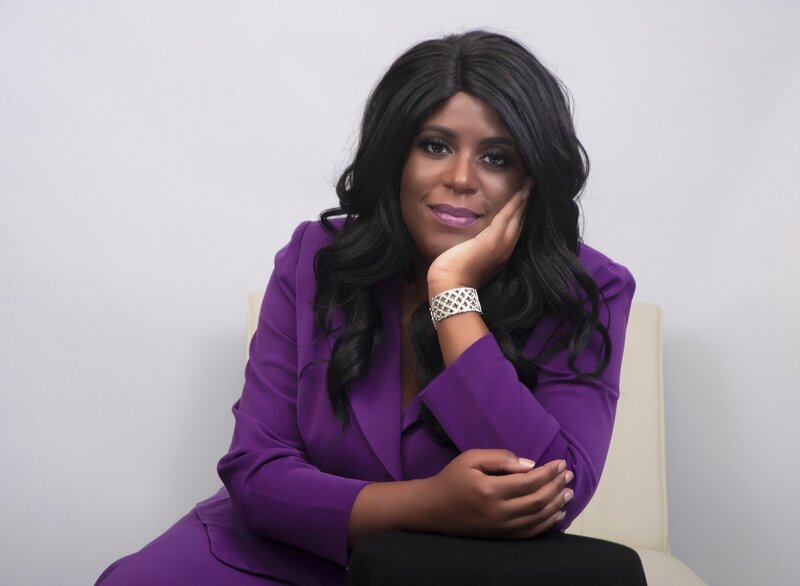
Hello, I'm  Dr. Twanna
Ready to Make Your Dreams Happen?
And live your best life  now?
tell me more


.

December 13, 2025

Executive Coaching for Black Women, Leadership, Mindful Leader

Black woman drinking tea; The Leadership Myth That Hurts High-Achieving Black Women. Why Slowing Down Doesn’t Make You Weak; best Black executive career coach near; find Black executive coach near; Best executive coaching for Black women, leadership coaching for Black women near me, Black women executive coach near me, coaching for Black women leaders, Best Black women entrepreneurship coaching near, career coaching for Black women, trauma-informed executive coaching near, burnout recovery for Black women near, workplace trauma Black women, confidence coaching for Black women,
Image created by Author using Sintra*

Slowing Down Doesn’t Make You Weak

Leadership isn’t just about speed, stamina, or sacrifice. It’s about authenticity, vision, and sustainable strength. Yet, a damaging leadership myth persists…

…that slowing down means losing drive, focus, or credibility. For many high-achieving Black women, this belief isn’t just misleading, it’s harmful!

In workplaces and communities across the world, countless women carry the invisible weight of having to “do it all,” believing that any pause in motion signals weakness. Today we unpack that myth, explore its cultural and psychological roots, and offer actionable strategies for reclaiming balance without compromising ambition.


Understanding the Leadership Myth

What Is the Leadership Myth?

The leadership myth is a false narrative that equates constant motion with strength and success. It implies that effective leaders must always be “on”, working harder, longer, and faster than anyone else. For Black women, this myth collides with cultural expectations to be unshakably strong and self-sacrificing.

The Cultural Pressure to “Always Be Strong”

Generations of social messaging have reinforced the “Strong Black Woman” stereotype. While rooted in resilience, this archetype often denies Black women the permission to rest or seek support. The pressure to appear invulnerable can lead to exhaustion, burnout, and emotional isolation.

How the Myth Distorts Modern Leadership Values

True leadership isn’t about endless performance, it’s about presence. When leaders operate from depletion, they lose clarity, empathy, and creativity. In contrast, slowing down allows reflection and fosters better decision-making. Qualities vital to sustainable leadership.


The Origins of the “Strong Black Woman” Narrative

Historical Context and Social Conditioning

The concept of the Strong Black Woman did not arise in a vacuum. It emerged as a survival mechanism during centuries of oppression, when Black women were expected to bear unbearable burdens – physically, emotionally, and socially. Enslavement, segregation, and systemic inequality all demanded resilience, but over time, that resilience was misinterpreted as superhuman strength.

In professional spaces, this expectation persists subtly. High-achieving Black women are often praised for their grit and endurance, but rarely for their vulnerability, creativity, or emotional intelligence. The result? A cultural conditioning that confuses endurance with excellence.

The Burden of Perfection and Resilience

Many women of color internalize the message that they must outperform to belong. This perfectionism, though seemingly positive, quickly becomes toxic. It pushes women to work harder, suppress emotion, and dismiss rest, viewing it as indulgence rather than necessity.

The truth is, rest isn’t weakness. It’s the foundation of sustainable success.

How This Narrative Shaped Workplace Leadership Expectations

Corporate culture has long glorified the “hustle” mindset. Leaders who burn out for results are seen as committed, while those who prioritize balance risk being labeled as disengaged. For Black women, this double standard compounds racial and gender bias. They’re expected to lead flawlessly, navigate microaggressions gracefully, and do it all without complaint.

But leadership rooted in overextension isn’t leadership at all, it’s survival mode.

7 Signs You’re Leading in Survival Mode

Why High-Achieving Black Women Are Uniquely Affected

Overperformance and the Cost of Burnout

High-achieving Black women often feel a silent pressure to represent more than themselves. To prove that they belong in spaces that weren’t built with them in mind. This invisible tax leads to overperformance: long hours, emotional labor, and mental exhaustion.

Eventually, the cost becomes clear: burnout, disconnection, and self-neglect.

Navigating Bias, Racism, and Gendered Expectations

Unlike many of their peers, Black women leaders must constantly navigate bias, being perceived as “too assertive” or “not confident enough.” This tightrope walk between assertiveness and approachability leads many to suppress parts of their authentic selves to fit a mold of “acceptable” leadership.

The Silent Toll on Mental and Emotional Health

Behind the polished LinkedIn updates and corporate accolades lies an often-unspoken truth: exhaustion. The ColumbiaDoctors report that chronic stress can manifest as anxiety, overwhelm, and even physical illness. Studies show that Black women are among the most affected demographic when it comes to stress-related conditions like hypertension and depression.

Slowing down isn’t quitting, it’s actually healing.


The Cost of Believing the Leadership Myth

Physical Exhaustion and Chronic Stress

The constant pressure to do more and be more erodes health. Sleep deprivation, adrenal fatigue, and anxiety become normalized. When the body is in constant fight-or-flight mode, creativity and emotional regulation decline, which make effective leadership harder, not easier.

Loss of Joy, Creativity, and Authenticity

When leaders are always “on,” they lose touch with what once inspired them. The spark of creativity that drives innovation fades under exhaustion. Joy, a critical component of effective leadership, disappears.

The Danger of Defining Worth Through Productivity

The most harmful aspect of the leadership myth is its redefinition of worth. It conditions people to believe that their value depends on output. I used to consistently try to find ways to do more and more. This mindset not only limits potential but creates a never-ending cycle of dissatisfaction and self-doubt. I reached a point where it seemed I couldn’t do enough in a 24 hour day.


Redefining Strength and Leadership

What True Leadership Looks Like

Real leadership thrives on authenticity, empathy, and vision. It’s not about who can carry the most, it’s about who can inspire, connect, and create space for others to thrive.

The Power of Rest, Reflection, and Renewal

Pausing doesn’t slow progress, it fuels it. Reflection offers clarity, and rest restores the mental and emotional energy needed to lead with purpose. Great leaders recognize that renewal isn’t luxury, it’s strategy. It took me a minute, but I finally moved to a place where I was able to rest without guilt.

Emotional Intelligence as a Core Leadership Trait

Emotional intelligence, the ability to understand and manage emotions, is a cornerstone of effective leadership. Those who prioritize well-being demonstrate empathy, resilience, and adaptability, setting a new standard for balanced leadership. And this is such a game changer with my clients.


How Slowing Down Cultivates Better Leaders

The Science of Recovery and Cognitive Performance

Neuroscience shows that downtime enhances brain function. During rest, the brain consolidates memory, sparks creativity, and solves complex problems. Simply put, slowing down sharpens your mind. Most people think they’re more creative when they’re in flow. But  we are our most creative when we are at rest.

Why Rest Enhances Clarity and Decision-Making

When leaders operate from rest rather than rush, they make decisions from wisdom, not worry. Calm minds assess risk more effectively, communicate more clearly, and connect more deeply.

5 Easy Hacks for Managers to Conquer Decision Fatigue

Examples of Transformational Leaders Who Embrace Balance

From Oprah Winfrey’s mindfulness practices to Michelle Obama’s emphasis on self-care, modern leaders are rewriting the playbook. They’ve proven that success built on balance is not only possible, it’s powerful.


Breaking Free from Perfectionism

Setting Boundaries Without Guilt

Boundaries are a form of self-respect. Saying “no” doesn’t mean you’re weak; it means you value your capacity. Learning to decline tasks that deplete you allows room for what truly matters.

Learning to Delegate and Trust Others

Effective leadership means empowering others. Delegation is not laziness, it’s strategy. It cultivates trust, fosters collaboration, and prevents burnout.

Embracing Vulnerability as a Strength

Brené Brown’s research reminds us that vulnerability isn’t weakness. It’s courage. By showing humanity, leaders inspire deeper connection and authenticity.


The Role of Community and Mentorship

Building Support Networks for Black Women Leaders

No leader thrives in isolation. Community, such as my VISIBLE Executive Career Pivot Group Program™, creates belonging and accountability. Support circles and affinity groups allow Black women to share experiences, resources, and emotional refuge.

Mentorship as a Tool for Reclaiming Balance

Mentorship offers guidance and perspective, especially from those who’ve learned to lead sustainably. Sharing wisdom breaks the myth that struggle is the price of success.

Collective Healing and Leadership Redefinition

Healing isn’t just individual, it’s also collective. When Black women uplift one another, they redefine leadership as a shared, evolving journey rather than a solitary race.


Leadership Myths in Corporate and Entrepreneurial Spaces

Toxic Productivity in High-Pressure Environments

In both corporate and entrepreneurial worlds, overwork is often romanticized. The “grind” culture rewards visible exhaustion over strategic efficiency. But overwork doesn’t equal output.  It does lead to decline.

The Double Bind of Assertiveness vs. Approachability

Black women in leadership often face conflicting stereotypes, be assertive, but not “angry.” Be strong, but not intimidating. These impossible expectations fuel self-censorship and stress.

Shifting the Organizational Culture

Companies must challenge these myths by promoting inclusive policies, psychological safety, and wellness-based leadership models. A healthy organization starts with healthy leaders.


Practical Strategies for Reclaiming Balance

  1. Practice Micro-Rest: Take five-minute pauses throughout the day to breathe and recalibrate.
  2. Schedule “Thinking Time”: Dedicate time weekly for reflection, not reaction.
  3. Define Success Holistically: Include mental health and joy as metrics of success.
  4. Seek Therapy or Coaching: Professional guidance helps dismantle internalized leadership myths.
  5. Create Rituals of Renewal: Morning walks, journaling, or quiet meditation foster clarity.

Case Studies: Women Who Rewrote the Leadership Narrative

  • Bozoma Saint John, former Netflix CMO, has spoken openly about rest and recovery as keys to her creative leadership.
  • Stacey Abrams advocates for reflective leadership, understanding when to pause, pivot, and persevere.
  • Luvvie Ajayi Jones teaches the importance of courage and intentional living over constant hustle.

Each of these women demonstrates that slowing down doesn’t hinder impact, it amplifies it.


Debunking the Leadership Myth. Why Rest Is the New Power Move

The leadership myth has long convinced high-achieving professionals, especially Black women navigating bias and unrealistic strength expectations, that strength is proven through endurance, not intention. This outdated narrative fuels overwork, suppresses authenticity, and celebrates exhaustion as a badge of honor. But true leadership has evolved, and it’s time to redefine what power really looks like.

At its core, the leadership myth suggests that slowing down makes leaders appear less ambitious or capable. Yet research shows the opposite: leaders who pause to rest, reflect, and recharge consistently outperform those trapped in constant motion. They make better decisions, inspire deeper trust, and build more innovative teams.

This myth doesn’t just distort perceptions of leadership. It robs women of joy, balance, and creative potential. For high-achieving Black women, the impact is even heavier, as many have internalized the belief that taking time off signals weakness, when in truth, it demonstrates wisdom. Sustainable leadership requires rhythm, not relentlessness.

The first step to dismantling the leadership myth is awareness. Recognize when your self-worth becomes tied to productivity. Notice when your identity as a leader depends on busyness rather than brilliance. The moment you reclaim your right to rest, you begin leading from abundance, not depletion.

Ultimately, breaking free from the leadership myth allows leaders, and Black women in particular, to embody a more holistic kind of strength: one that honors both ambition and alignment. True leaders know when to move with purpose and when to pause for power.


Redefining Leadership on Your Own Terms

Leadership isn’t about how much you can endure. Rather it’s about how intentionally you can lead. The time has come to retire the leadership myth that equates exhaustion with excellence.

Slowing down doesn’t make you weak; it makes you wise. It allows you to lead from a place of fullness rather than fatigue.  And that’s where true transformation begins.

Embrace grace over grind. Lead with authenticity, not adrenaline. You are already enough.


FAQs About the Leadership Myth

Q1: What is the “leadership myth”?
It’s the false belief that constant motion equals effectiveness. That slowing down means weakness.

Q2: Why is rest seen as weakness in leadership?
Cultural and corporate norms equate busyness with value, ignoring that true productivity comes from balance.

Q3: How can slowing down make someone a stronger leader?
Rest improves focus, creativity, and empathy, qualities essential for impactful leadership.

Q4: Are there successful leaders who prioritize balance?
Yes. Figures like Michelle Obama, Arianna Huffington, and Bozoma Saint John are vocal advocates of rest as power.

Q5: How can organizations support Black women leaders?
Through mentorship, flexible policies, equitable pay, and a culture that values wellness as much as results.

Q6: How do I begin unlearning toxic productivity habits?
Start by noticing your self-talk. Replace guilt about rest with gratitude for renewal.


how to stop self-sabotage managing negative self-talk overcoming imposter syndrome turning off the inner critic self-doubt and the inner critic inner voice vs inner critic healing the inner critic inner critic and leadership the voice that holds you back how to retrain your inner critic understanding self-sabotaging thoughts inner critic and emotional burnout building confidence after self-criticism is your inner critic protecting you why your inner critic exists self-talk for Black women leaders find Black executive coach near; best Black executive coach near; find Black career coach near; best Black career coach; executive coaching for Black women; how to protect yourself from being managed out; being too much; boundaries; soft life; build your powerbase; powerful network; executive leadership coaching for black women; executive presence coaching for black women; vp promotion coaching; svp promotion coaching; personal branding for executives, storytelling; micro-break, executive burnout coach near; find burnout coach near; LinkedIn Audit; break the cycle of second-guessing and doubt; quiet cracking

I know what it feels like to stumble through a career transition. I flubbed my first move from the military so badly it took me over a decade to rebuild my confidence. That experience fuels my mission today.

I’m Dr. T,  Certified Executive Coach, ICF PCC, and trusted partner to high-achieving leaders seeking clarity, confidence, and sustainable success. As one of the premier executive career partners, I help Black women executives secure bigger bonuses, increase their visibility, and finally create the space to enjoy the life they’ve worked so hard for.

I understand the weight of imposter syndrome and the pressure to constantly prove yourself at the top. My coaching equips leaders with the tools, strategies, and inner authority to navigate career challenges with clarity, confidence, and executive presence.

✨ Ready to shift from overworked to unstoppable? Let’s talk.

Read my latest blogs…

If you love the images in this post, I created them using Sintra, one of my favorite tools for designing high-quality visuals quickly and beautifully. If you’d like to try it out, here’s my affiliate link: https://playosinc.pxf.io/JKDWaa . I may earn a small commission at no extra cost to you, and it helps me keep creating helpful content for you.

The Leadership Myth That Hurts High-Achieving Black Women. Why Slowing Down Doesn’t Make You Weak.

add a comment

Reply...

hey there!

Meet Dr. Twanna

Welcome to my blog! As a passionate reader and travel enthusiast, I've spent years soaking up stories from diverse cultures and landscapes. 
I am committed to creating an empowering space where Black women can celebrate their achievements, learn from their challenges, and find inspiration for their journey.
I hope you find value in these shared experiences and insights. Enjoy exploring!

more about US

With this guide discover the keys to unlocking professional growth, uniquely crafted for Black women by Black women.

Equip yourself with essential tools and tactics to shatter the glass ceiling and reach your career aspirations.

Get the DOWNLOAD

free download

Unleash your true potential

The Ultimate Career Advancement Guide for Black Women