


December 6, 2025
Career Tips, Executive Burnout Coach, Executive Coaching for Black Women, Executive Productivity, Leadership

The Unseen Weight of Being the Strong One at Work
At every office, there’s usually one person everyone leans on, the dependable one, the calm in the chaos, the problem-solver who always “has it together.” That person is often known as the “strong one.” But behind the composed smile and tireless productivity lies a truth few talk about: being the strong one at work comes at a cost.
The “strong one” isn’t just reliable, they’re the emotional anchor of the team. They step up when deadlines loom, listen when tensions rise, and often absorb the stress others unload. Over time, this invisible emotional labor takes a toll, leading to burnout, resentment, and even identity fatigue. We’re diving into the hidden emotional, professional, and cultural costs of being the strong one at work, and how to reclaim balance without guilt.
Understanding What It Means to Be the Strong One at Work
Being the strong one at work isn’t a title you apply for; it’s one that’s often assigned by others. In most workplaces, it’s the person who’s consistent, calm under pressure, and emotionally stable. Someone who seems unaffected by the chaos around them.
The Psychology Behind Being the Strong One at Work
Psychologically, strong ones at work often have a deep-rooted need for validation and purpose. Their identity becomes tied to being reliable, a subtle mix of altruism and perfectionism. They may subconsciously believe that showing weakness equates to failure, leading to chronic overperformance.
Common Characteristics and Expectations of the Strong One at Work
Common traits include empathy, high conscientiousness, and an internalized sense of duty. They’re the ones who say “I’ll handle it,” even when overwhelmed. Over time, their reliability creates unrealistic expectations. Coworkers and leaders assume they can handle anything, which deepens the cycle of over-responsibility.
The Emotional Toll of Always Being the Strong One at Work
While reliability is admirable, it often masks emotional exhaustion.
Compassion Fatigue and Hidden Stress
Constantly being the emotional pillar drains empathy reserves. This “compassion fatigue” leads to detachment, irritability, and even physical symptoms like insomnia or headaches. The strong one at work may continue smiling, but internally, they’re running on fumes.
The Loneliness of Being the Strong One at Work
Ironically, those perceived as strongest are often the loneliest. Because they rarely show vulnerability, colleagues assume they don’t need support. This isolation deepens over time, creating a quiet despair beneath the surface of competence.
The Professional Impact of Being the Strong One at Work
Overcommitment and the Trap of Perfectionism
Strong ones at work often say yes to every task, not out of ambition, but obligation. This overcommitment can erode productivity and lead to chronic burnout. The desire to maintain a flawless image traps them in a cycle of endless work and self-criticism.
When Being the Strong One at Work Becomes a Limitation
Ironically, being the reliable go-to person can limit career growth. Managers may overlook them for promotions, assuming they’re better suited as team supporters than leaders. Emotional labor, while invaluable, often goes unnoticed and unrewarded.
Related: Executive Coaching for Black Women: How to Lead with Authority, Confidence, and Emotional Well-Being
The Cultural Pressure of Being the Strong One at Work
Toxic Positivity in Modern Workplaces
The modern corporate mantra “stay positive, keep going” often silences genuine emotional experiences. This toxic positivity forces employees to suppress stress instead of addressing it, reinforcing the belief that strength means silence.
Gender and Cultural Bias in Being the Strong One at Work
In many cultures, women and minority employees are expected to carry emotional burdens for teams. They’re praised for empathy but penalized when they show assertiveness or exhaustion. This double standard amplifies workplace inequality.
Breaking the Cycle – Learning to Set Boundaries as the Strong One at Work
The Power of Saying “No”
Strength isn’t about doing it all. It’s about knowing when to stop. Learning to say “no” without guilt is an act of self-respect. Boundaries protect energy, maintain mental health, and preserve authenticity.
Seeking Help and Building Support Systems
Support isn’t weakness, but it’s sustainability. Mentorship, coaching, and peer circles allow strong ones at work to offload emotions safely and learn that vulnerability can be empowering.
How Leaders Can Support the Strong Ones at Work
Recognizing Hidden Emotional Labor
Managers should look beyond output and notice emotional contributions. Encouraging open conversations about workload and mental well-being helps prevent silent burnout.
Creating a Balanced Workplace Culture
Healthy teams thrive on shared strength, not individual sacrifice. Leaders can foster balance by normalizing rest, empathy, and collaborative problem-solving.
Real Stories: When Being the Strong One at Work Turns into Burnout
Case 1: A project manager who “held the team together” during a merger eventually faced burnout and anxiety. Only after stepping back did she realize her strength had become her burden.
Case 2: A tech lead always available for late-night problem-solving found her performance slipping. Setting limits and communicating boundaries helped her regain balance.
The Advantages of Taking Action to Resolve Being the Strong One at Work
When you take the steps outlined in this blog, setting boundaries, seeking support, and redefining what it means to be strong, the benefits of resolving being the strong one at work are profound:
- Reduced Burnout: Proactively setting boundaries and sharing responsibilities helps prevent exhaustion and emotional fatigue, so you can maintain your energy and passion for your work.
- Improved Mental Health: Asking for help and prioritizing self-care leads to lower stress, greater emotional resilience, and a healthier mindset both at work and at home.
- Stronger Relationships: By communicating your needs and accepting support, you foster deeper connections and mutual respect with colleagues, creating a more supportive team environment.
- Greater Career Satisfaction: Letting go of the need to always be the strong one at work allows you to focus on your strengths, pursue meaningful projects, and achieve recognition for your true contributions.
- Sustainable Success: Taking these steps ensures you can continue to perform at a high level over the long term, without sacrificing your well-being or authenticity.
By resolving the challenges of being the strong one at work, you open the door to a more balanced, rewarding, and empowered professional life.can transform your career trajectory and help foster a healthier, more supportive workplace culture.
Redefining What It Means to Be the Strong One at Work
Being the strong one at work is both empowering and demanding. True strength isn’t about carrying every burden alone. It’s about taking intentional steps to set boundaries, seek support, and allow yourself to be vulnerable. By resolving the pressures of being the strong one at work, you not only protect your well-being but also model a healthier, more sustainable definition of success for your team. When we embrace this new perspective, we create workplaces where resilience is balanced with rest, and strength is shared, not shouldered alone.
Remember: Even the strongest at work deserve support, care, and space to thrive.
FAQs. Common Questions About Being the Strong One at Work
- How do I know if I’m the “strong one” at work? If you’re the person everyone turns to, emotionally or professionally, you likely are.
- Why does being the strong one at work feel exhausting? Because you’re carrying both visible and invisible workloads, often without acknowledgment.
- How can I protect my mental health as the strong one at work? Set clear boundaries, seek emotional outlets, and learn to delegate.
- Is it okay to say no without feeling guilty? Absolutely. Boundaries are a form of emotional intelligence.
- What can leaders do to help the strong ones at work? Recognize emotional labor, create safe communication spaces, and encourage vulnerability.
- How can I stay strong at work without burning out? Prioritize self-care, seek support, and redefine strength as balance, not endurance.

I know what it feels like to stumble through a career transition. I flubbed my first move from the military so badly it took me over a decade to rebuild my confidence. That experience fuels my mission today.
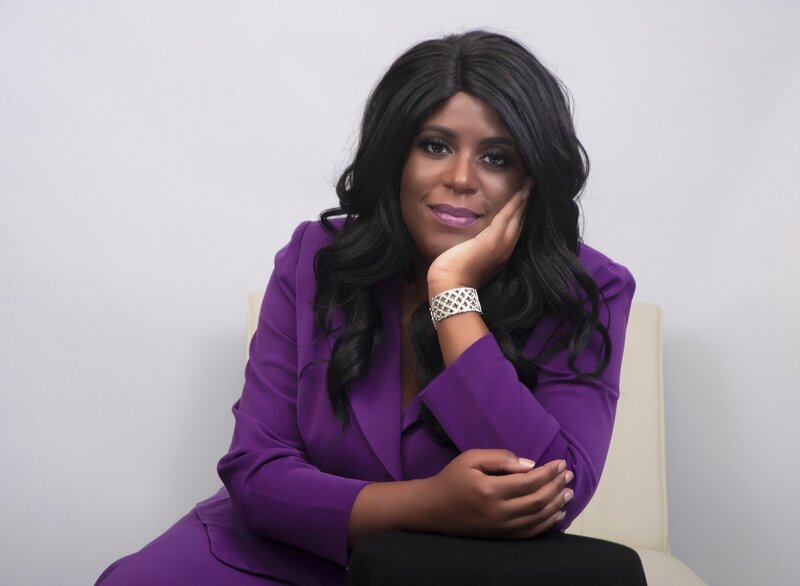
I’m Dr. T, Certified Executive Coach, ICF PCC, and trusted partner to high-achieving leaders seeking clarity, confidence, and sustainable success. As one of the premier executive career partners, I help Black women executives secure bigger bonuses, increase their visibility, and finally create the space to enjoy the life they’ve worked so hard for.
I understand the weight of imposter syndrome and the pressure to constantly prove yourself at the top. My coaching equips leaders with the tools, strategies, and inner authority to navigate career challenges with clarity, confidence, and executive presence.
✨ Ready to shift from overworked to unstoppable? Let’s talk.
Read my latest blogs
- Quiet Cracking: 7 Signs You’re Not ‘Fine’. You’re Burning Out in Silence
 Quiet Cracking, When “I’m Fine” Isn’t the Truth You show up. You meet deadlines. You answer messages with a polite “I’m fine.”But… Read more: Quiet Cracking: 7 Signs You’re Not ‘Fine’. You’re Burning Out in Silence
 - Are You Trapped in Survival Mode? The Real Reason It’s Not Your Fault (and What to Do Next)Are You Trapped in Survival Mode? What “Survival Mode” Really Means For many Black women, survival mode isn’t just a phrase, it’s… Read more: Are You Trapped in Survival Mode? The Real Reason It’s Not Your Fault (and What to Do Next)
- Why So Many Smart Black Women Experience Fear of Starting a Business, and Feel Completely StuckThe Quiet Struggle Behind Big Dreams Many intelligent, capable Black women dream of owning a business. They envision freedom, flexibility, financial growth,… Read more: Why So Many Smart Black Women Experience Fear of Starting a Business, and Feel Completely Stuck
- Strategic Career Mapping for Executive Black Women: How to Identify Roles That Reflect Your True StrengthsWhy Strategic Career Mapping Matters More Than Ever In today’s corporate landscape, Strategic Career Mapping has become more than just a buzzword.… Read more: Strategic Career Mapping for Executive Black Women: How to Identify Roles That Reflect Your True Strengths
- The Fear-Based Leadership Cycle Secretly Running Your Life. And How to Break ItFear is a powerful emotion. It can protect you, warn you, and heighten your awareness. But when fear begins to lead you,… Read more: The Fear-Based Leadership Cycle Secretly Running Your Life. And How to Break It
- Redefining Success. How Black Women Executives Are Leading a New Era of Authentic LeadershipThe New Leadership Trend. Redefining Success Across boardrooms, Zoom calls, and LinkedIn feeds, a powerful shift is underway. Women of color, especially… Read more: Redefining Success. How Black Women Executives Are Leading a New Era of Authentic Leadership
- How to Quiet the Inner Critic and Stop Second-Guessing Yourself in High-Stakes RoomsUnderstanding the Inner Critic Your inner critic is that persistent internal voice that judges, doubts, and second-guesses you. Ooften at the worst… Read more: How to Quiet the Inner Critic and Stop Second-Guessing Yourself in High-Stakes Rooms
- The Survival Blueprint. What To Do Immediately When You Realize You’re Being Managed OutUnderstanding What “Being Managed Out” Really Means. And Why Immediate Help Matters The first time I realized I was being managed out,… Read more: The Survival Blueprint. What To Do Immediately When You Realize You’re Being Managed Out





*If you love the image in this post, I created it using Sintra, one of my favorite tools for designing high-quality visuals quickly and beautifully. If you’d like to try it out, here’s my affiliate link: https://playosinc.pxf.io/JKDWaa. I may earn a small commission at no extra cost to you, and it helps me keep creating helpful content for you.




+ show Comments
- Hide Comments
add a comment