



July 21, 2025

Imposter Syndrome Hits Hard
Ever walked into a C-suite meeting and felt like you were wearing someone else’s shoes. Waiting for someone to call you out, even though you’ve earned your seat at the table? If you’re a Black woman executive, you probably know this feeling all too well.
The higher you climb, the more intense this gnawing sense of “Do I really belong here?” becomes. That’s imposter syndrome, cranked up to eleven.
Let’s cut through the noise. Imposter syndrome isn’t just a buzzword. For Black women in leadership, it’s a survival mode reflex, forged by a lifetime of navigating workplaces designed by, and for, others. Add microaggressions, isolation, and the pressure to be twice as good, and it’s a wonder anyone’s still standing, let alone leading.
So, why does imposter syndrome hit so hard at the top, especially for Black women? And more importantly, how can you move from survival mode to a place where you’re not just enduring, but thriving?
Buckle up. We’re digging deep.
What is Imposter Syndrome, Really?
Imposter syndrome is that sneaky, persistent inner voice that whispers, “You’re a fraud, and everyone’s about to find out.” Psychologists define it as a chronic doubt in your abilities, despite clear evidence of competence and success.
But here’s the kicker: for Black women execs, it’s not just a personal flaw. It’s a product of systemic structures and daily experiences that reinforce the message…you don’t belong here.
Key Signs of Imposter Syndrome
- Constant self-doubt, even after major wins
- Downplaying your achievements (“It was just luck”)
- Fear of being “found out” as a fraud
- Setting impossibly high standards (perfectionism)
- Reluctance to ask for help or take credit
Sound familiar? I’ve been there and you’re not alone.
Why Survival Mode is the Default at the Top
For many Black women, the journey to executive status is less a climb and more an obstacle course. It’s not just about smashing glass ceilings, because you’re dodging flying shards, too.
How Survival Mode Shows Up
Survival mode isn’t just about pushing through tough days. It’s a long-term, hypervigilant state. Where you’re always looking over your shoulder, bracing for the next slight, the next test, the next “prove it” moment.
- Constant Code-Switching: Adapting your language, dress, or mannerisms to fit in. It’s absolutely draining.
- Hyper-Competence: Over-preparing for basic meetings, because mistakes have higher stakes.
- People-Pleasing: Saying “yes” to everything, fearing “no” could cost you.
- Emotional Suppression: Hiding frustration or anger to avoid being labeled “angry” or “difficult.”
- Isolation: Few peers or mentors who look like you or get your experience.
Survival mode helps you endure. But it can also drain your energy, shrink your confidence, and, ironically, make imposter syndrome feel like your constant shadow.
Why Imposter Syndrome Hits Black Women Execs Hardest
1. The Double Jeopardy of Race and Gender
Black women occupy a unique intersection, facing both racism and sexism. Every move is scrutinized, every mistake magnified.
“You walk into a room and you’re instantly an ‘only’, the only woman, the only Black person, sometimes both. That’s a lot of eyes on you, and a lot of pressure to represent a whole group, not just yourself.” – Anonymous Black Woman Executive
2. Lack of Representation at the Top
When you don’t see leaders who look like you, it’s hard to imagine yourself belonging. This invisibility feeds self-doubt, even when you’re breaking new ground.
3. Microaggressions and Stereotype Threat
From being mistaken for the assistant to having your expertise questioned, Black women face daily slights that chip away at confidence. Each encounter says, “You’re not supposed to be here,” amplifying the inner imposter.
4. The Weight of Overachievement
Many Black women execs are overachievers by necessity. Working twice as hard for half the recognition. But when perfection becomes the baseline, any shortfall feels catastrophic.
5. Cultural Pressures and Family Expectations
There’s often added pressure to be a role model, to “lift as you climb,” and to avoid mistakes that could reflect on your community. That’s a heavy load to carry.
Related:
Why So Many Black Women Executives Secretly Battle Imposter Syndrome (And How They’re Winning Anyway)The Silent Career Killer: How Imposter Syndrome Shows Up in LeadershipWhat’s Imposter Syndrome? Impact on Introverts ExplainedThe Imposter Syndrome Trap: Why Black Women Feel Isolated at WorkHow to Overcome Imposter Syndrome in Tech Industry: A Step-by-Step Guide
The Survival Mode Trap: How It Feeds Imposter Syndrome
Let’s call out the elephant in the boardroom: survival mode, while adaptive, can trap you in a cycle of self-doubt. Here’s how:
- Hyper-vigilance becomes anxiety: You’re always “on,” waiting for the next challenge or critique.
- Perfectionism becomes paralysis: You delay decisions, fearing mistakes will confirm negative stereotypes.
- Self-silencing: You hold back ideas, worried they’ll be dismissed or misunderstood.
- Avoidance of visibility: You dodge recognition, thinking it’ll expose your “flaws.”
Meanwhile, everyone around you sees a powerhouse, while you feel like you’re tap dancing on a tightrope, hoping not to slip.
Breaking Free from Survival Mode & Imposter Syndrome
Good news, you don’t have to live here forever. Moving from survival mode to thriving is possible, but it takes intention.
1. Name the Beast
Call imposter syndrome what it is…a learned response, not a personal failing. Recognize survival mode as a coping mechanism, not your destiny.
2. Find Your People
Seek out mentors, sponsors, and peers who get it. Community is powerful antidote to isolation and self-doubt. (Hint: They don’t always have to look like you, but they should see you.)
3. Track Your Wins
Keep a “receipts” folder…emails, testimonials, project successes. On the rough days, revisit your wins and remember: you didn’t get here by accident.
4. Set Boundaries – Yes, Even at the Top
Survival mode says “say yes to everything.” Thriving means learning to say “no” without guilt. Your well-being is not negotiable.
5. Redefine Success on YOUR Terms
Forget hustle culture’s yardstick. Define what fulfillment, impact, and leadership mean for you. Reclaim your metrics.
6. Consider Coaching or Therapy
A culturally competent coach or therapist can help you unlearn survival mode reflexes, reframe negative self-talk, and build new strategies for growth.
Also read: Banish Imposter Syndrome: Empowerment Tips for Black WomenOvercome the Silent Battle with the Superwoman Imposter SyndromeSuperwoman Syndrome: The Secret Struggles of Black WomenSoloist Type Impostor Syndrome – 5 Things You Need to Know
Survival Mode at the Top. Key Mindset Shifts
- From Overwhelm to Ownership: You’re not just surviving; you’re leading. Own your journey.
- From Perfection to Progress: Mistakes aren’t proof of fraud, they’re proof you’re growing.
- From Invisibility to Influence: Your presence matters. Take up space.
Survival Mode in the Boardroom: Real Talk
Let’s not sugarcoat it. Even the most accomplished Black women executives still get hit with imposter syndrome. The difference? They’ve learned to talk back to that inner critic.
Here’s what some have shared:
- “I realized I was waiting for someone to tell me I deserved to be here. One day I just decided, I’ll tell myself.”
- “Every time I doubted myself, I pulled up my wins. It wasn’t arrogance; it was survival.”
- “I stopped trying to be perfect and started being present. That’s when I started to thrive.”
Frequently Asked Questions (FAQs)
Q: Is imposter syndrome ever really “cured,” or does it just get quieter?
A: Imposter syndrome rarely disappears completely, especially in environments where you’re underrepresented. But with support, self-reflection, and new habits, its voice can fade to background noise.
Q: How can I tell if I’m in survival mode and not just working hard?
A: If you feel chronically stressed, hyper-alert, anxious about mistakes, and like you can’t show vulnerability, it’s likely survival mode, not just “ambition.”
Q: What are the best resources for Black women execs navigating survival mode?
A: Culturally sensitive coaching, affinity groups, therapy (with a provider who understands intersectionality), and leadership networks for women of color can all help.
Q: How do I ask for help without looking “weak”?
A: Vulnerability is strength, not weakness. Frame your ask as a commitment to growth and excellence. Remember, even CEOs have mentors and executive coaches.
Q: Can imposter syndrome be a good thing?
A: Some argue it keeps you humble and striving. But too much keeps you small. Use it as a signal to reflect, not a reason to retreat.
Final Thoughts
Survival mode may have gotten you to the top, but it won’t help you stay there. At least, not in a way that’s healthy or sustainable. Imposter syndrome hits hardest when you’re already carrying the weight of race, gender, and representation. But here’s the truth…you’re not an imposter. You’re a pioneer.
Let this be your call to action. Don’t let survival mode be your forever home. Seek support. Celebrate your wins. Take your seat, and stay awhile.
Because you don’t just deserve to survive at the top. You deserve to thrive.
Ready to move beyond survival mode and imposter syndrome? Find resources, community, and coaching designed for Black women execs. Your leadership journey is just getting started. Request a V.I.P. Roadmap session to get started today.

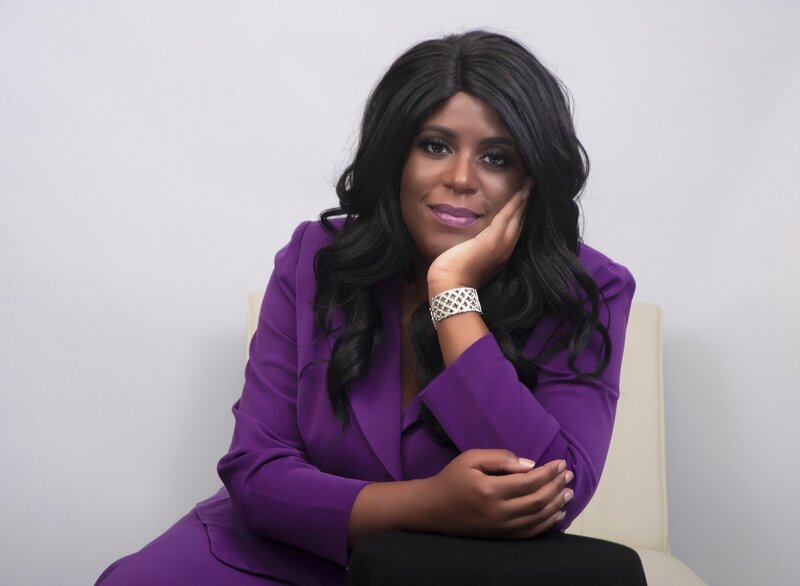
I’m a certified executive coach and an ICF Professional Certified Coach (PCC) for Twanna Carter Professional & Personal Coaching, LLC. I flubbed my first career transition from the military so badly, it took me the next 10+ years to build my confidence and recover. I know what it feels like to struggle with imposter syndrome and uncertainty about my leadership skills in the workplace. It’s why I am dedicated to empowering Black women. Helping them navigate career challenges and uncertainty by providing them with the tools and strategies they need to be successful. Schedule a V.I.P. Roadmap session today.
If you enjoyed this blog, please share it. If you’re also feeling generous, consider Buying Me a Coffee.☕️
The Executive Presence Blueprint Minicourse

This isn’t just another leadership course. It’s your personal blueprint for standing out, speaking up, and showing up like the executive you are. Created for professional women ready to lead on their own terms, this mini-course helps you build presence, authority, and impact. Without code-switching or burnout.
Read my latest blogs…
- Servant Leadership Behaviors: 10 Actions Employees Can See and Trust
 Over the past four posts, we have taken servant leadership apart piece by piece. It is not pizza. It requires… Read more: Servant Leadership Behaviors: 10 Actions Employees Can See and Trust
 - Servant Leadership Courage: Will You Protect Your People at a Cost?“My door is always open.” Almost every leader has said it, and most mean it. Yet the true measure of… Read more: Servant Leadership Courage: Will You Protect Your People at a Cost?
- Servant Leadership vs Employee Perks: Why Pizza Cannot Fix Toxic WorkKey Points: The email arrives on a Tuesday. “Lunch is on us Friday! Thank you for all your hard work.”… Read more: Servant Leadership vs Employee Perks: Why Pizza Cannot Fix Toxic Work
- Perfectionism at Work: The Standard That Is Draining YouKey Points You reread the email one more time before sending. You revise the deck that was already strong. You… Read more: Perfectionism at Work: The Standard That Is Draining You
- Executive Time Management Is Not a Scheduling FixWhat you’ll take away You have tried the apps. The color-coded calendar. The time-blocking system a productivity guru swore would… Read more: Executive Time Management Is Not a Scheduling Fix
- Delegation for Leaders: Why Letting Go Feels UnsafeKey Points: You know you should delegate. You have read the articles. You understand, intellectually, that holding everything yourself is… Read more: Delegation for Leaders: Why Letting Go Feels Unsafe
- Over-Functioning: You Were Never Meant to Carry It AllKey Points: You are the one who catches what everyone else misses. You revise the deck nobody asked you to… Read more: Over-Functioning: You Were Never Meant to Carry It All
- Executive Coaching That Actually Fits Black Women NowKey Points: You have likely encountered plenty of leadership advice. The books, the workshops, the well-meaning mentors telling you to… Read more: Executive Coaching That Actually Fits Black Women Now






+ show Comments
- Hide Comments
add a comment