


November 12, 2025
Burnout, Burnout Recovery, Executive Burnout Coach, Executive Coaching for Black Women, Executive Productivity, Executive Resilience Coach, Stress & Burnout, Work life balance, Work Life Integration

The Hidden Power of Small Pauses
If you’ve ever felt like your day moves at lightning speed, from back-to-back meetings to decision-heavy leadership moments, you’re not alone. Executive women across industries are realizing that relentless drive often leads to diminishing returns. The truth is your brain doesn’t need hours to reset, it needs intentional micro-moments of rest.
Welcome to the world of low-effort relaxation and micro-breaks. Where calm, clarity, and composure are cultivated in as little as one minute. These are not indulgences. They’re strategic interventions that sharpen cognitive edge and emotional intelligence. The two core assets of effective leadership.
Why Executive Women Need Micro-Breaks More Than Ever
The Science Behind Burnout and Cognitive Fatigue
High-achieving women are more prone to decision fatigue, the cognitive exhaustion that arises from continuous decision-making under pressure. According to research published in Harvard Business Review, micro-breaks improve working memory and creative problem-solving, both vital for sustained leadership.
Balancing Leadership Pressure with Self-Regulation
Executive women often balance strategic vision with team empathy, an emotional duality that consumes mental energy. Micro-breaks act as mini “reboots,” supporting emotional regulation, improving response times, and reducing the physiological signs of stress.
What Are Low-Effort Relaxation and Micro-Breaks?
The Psychology of Low-Effort Recovery
Low-effort relaxation means restorative actions that require minimal decision-making or setup. Examples such as slow breathing, ambient listening, or brief mental detachment. They help switch the brain from a beta (alert) to an alpha (calm) state.
How Micro-Breaks Differ from Traditional Rest Periods
Unlike traditional breaks, which often last 15–30 minutes, micro-breaks are under five minutes but designed for maximum neurological impact. They focus on recovery-on-the-go and fit seamlessly between emails, presentations, and boardroom discussions.
The Neuroscience of Relaxation. Why Short Breaks Work Wonders
How the Brain Restores Focus Through Downtime
Your prefrontal cortex, the decision-making center, tires quickly. Brief relaxation intervals allow the default mode network (DMN) to activate, helping consolidate memory, spark creativity, and reduce stress hormones.
The Role of the Parasympathetic Nervous System
Micro-breaks stimulate the parasympathetic nervous system (PNS), which is your body’s built-in relaxation mechanism. This reduces cortisol levels, steadies breathing, and promotes a sense of control amid chaos. And who doesn’t need that when you’re knee deep in putting out fires.
10 Practical Low-Effort Relaxation and Micro-Break Strategies for Executive Women
1️⃣ The 90-Second Reset: Deep Breathing with Intention
Inhale for 4 seconds, hold for 4, exhale for 6. Do this 3 times. It’s the fastest way to recalibrate the nervous system.
2️⃣ The 3-Minute Mind Declutter
Close your eyes. Identify one thing that’s draining your energy. Name it, breathe it out, and visualize space replacing that tension.
3️⃣ The Micro-Movement Break
Stand, roll your shoulders, twist gently, and stretch your arms. Gentle flow improves blood circulation and focus.
4️⃣ Visual Micro-Rest: The 20-20-20 Rule
Every 20 minutes, look 20 feet away for 20 seconds. This simple act reduces eye strain and mental fatigue.
5️⃣ The Gratitude Pause
Think of one person or experience you’re grateful for. Gratitude boosts serotonin and realigns emotional state.
6️⃣ The Power of Ambient Sounds
Play low-volume instrumental or nature sounds. Soundscapes reduce perceived stress and promote relaxation.
7️⃣ Chair Yoga Moments
Simple seated stretches or neck rolls can relieve tension built from hours of digital focus.
8️⃣ Digital Micro-Detox Moments
Put your phone down for 3 minutes. Let your brain breathe. Studies show even short screen breaks enhance emotional regulation.
9️⃣ Hydration with Awareness
Sip water slowly, noticing the coolness and flow. Hydration and mindfulness combined enhance self-regulation.
🔟 The 5-Minute Power Disconnect
Step away from your desk. Look out a window. Let your gaze soften. It’s not wasted time it’s a leadership renewal practice.
How to Build a Sustainable Micro-Break Routine
Scheduling Pauses with Intention
Use your calendar to block 2-3 minutes after every major task. Micro-breaks work best when habitual, not reactive.
Using Technology to Support Relaxation, Instead of Distraction,
Apps like Calm or Insight Timer can cue short breathing or body scan breaks without disrupting workflow.
Creating a Mindful Workspace
Keep visual reminders, like a small plant or quote, to anchor your mind in the present moment. For example, the wall paper on my laptop has images of beaches. That’s my safe, calming space during the day.
Overcoming the Guilt of Rest. Mindset Shifts for Ambitious Women
Many executive women associate rest with laziness. But rest is a productivity strategy, not a luxury.
By reframing breaks as leadership fuel, you release guilt and reclaim efficiency.
Integrating Micro-Breaks into a High-Performance Lifestyle
Aligning Self-Care with Leadership Presence
Elite leadership isn’t about constant output. It’s about sustained clarity and presence. Micro-breaks help executives transition from reactionary leadership to responsive leadership, grounded, poised, and emotionally intelligent.
By integrating 3-5 mini-pauses daily, you’ll notice improvements in:
- Decision-making sharpness
- Conflict management composure
- Creative problem-solving capacity
These moments act as mental “bookmarks,” allowing leaders to process information rather than drown in it.
Building Emotional Resilience Through Tiny Rituals
Micro-breaks become powerful when tied to rituals. Rituals are small, consistent actions that build emotional muscle.
Try linking short pauses with existing habits:
- Take three mindful breaths before opening your inbox.
- Stretch gently after each meeting.
- Close your eyes for 30 seconds before key presentations.
This habit-stacking approach creates an environment where relaxation becomes a leadership tool, not a guilty pleasure.
Common Mistakes to Avoid When Practicing Low-Effort Relaxation
Even with the best intentions, many executives unknowingly sabotage their recovery time. Here are key pitfalls to avoid:
1️⃣ Treating micro-breaks as multitasking opportunities.
Scrolling emails while “taking a break” defeats the purpose. True relaxation involves cognitive detachment.
2️⃣ Forgetting to breathe properly.
Many women in leadership unconsciously hold tension in the chest. Shallow breathing keeps cortisol levels high. Intentional breathing is essential.
3️⃣ Overplanning relaxation.
Low-effort recovery shouldn’t add to your mental load. Keep it spontaneous and simple.
4️⃣ Assuming short breaks don’t matter.
Even 20-90 seconds of stillness can shift your biochemistry. Small doesn’t mean insignificant, it means strategic.
Expert Tips from Neuroscientists
According to Dr. Nicole Brackett, a neuroleadership researcher, “Short, restorative moments help replenish glucose and oxygen flow to the prefrontal cortex, improving executive function and self-regulation.”
Incorporate these expert-backed habits:
- Schedule micro-breaks as non-negotiable appointments.
- Pair them with positive triggers (music, scent, sunlight).
- Reflect on how each micro-break shifts your mental state and tone for the next task.
Reclaiming Energy, Elegance, and Ease in Leadership
Executive women are redefining what sustainable success looks like. It’s no longer about endurance; it’s about strategic recovery.
Low-effort relaxation and micro-breaks are the modern leader’s secret advantage. These are small, science-backed actions that yield exponential clarity and composure.
Every pause you take isn’t an interruption to productivity. It’s an investment in the quality of your decisions, relationships, and personal wellbeing.
So next time your calendar feels relentless, remember:
You don’t need an hour to recharge.
You just need a moment, a conscious breath, a quiet stretch, or a small stillness that reconnects you to yourself.
Because the best leaders aren’t those who never stop. They’re the ones who know when to pause with purpose.
FAQs about Low-Effort Relaxation and Micro-Breaks
1. How long should a micro-break last?
A micro-break can be as short as 30 seconds or as long as 5 minutes. The goal is to interrupt prolonged cognitive strain without losing momentum.
2. How often should I take micro-breaks during a workday?
Ideally, every 60-90 minutes. Research shows that brief, regular pauses outperform one long midday break in maintaining focus and productivity.
3. Are micro-breaks just for mental recovery, or do they help physically too?
Both. Micro-movements and postural shifts reduce stiffness, while deep breathing improves oxygen flow and cardiovascular balance.
4. What if I feel guilty stepping away from work for a few minutes?
Reframe it: micro-breaks are leadership tools, not time-wasters. They protect your performance and model sustainable habits for your team.
5. Can I combine micro-breaks with mindfulness?
Absolutely. Mindfulness amplifies the benefits of relaxation by anchoring your attention to the present, turning every pause into a moment of renewal.
6. What’s one easy way to start implementing micro-breaks today?
Begin with scheduled breathing reminders, one in the morning, one post-lunch, and one mid-afternoon. This simple structure builds consistency.
Grab a copy of my Mindful Leadership: Practices for Women Executives e-book today! Click the button below
Mindful Leadership: Practices for Women Executives eBook

I know what it feels like to stumble through a career transition. I flubbed my first move from the military so badly it took me over a decade to rebuild my confidence. That experience fuels my mission today.
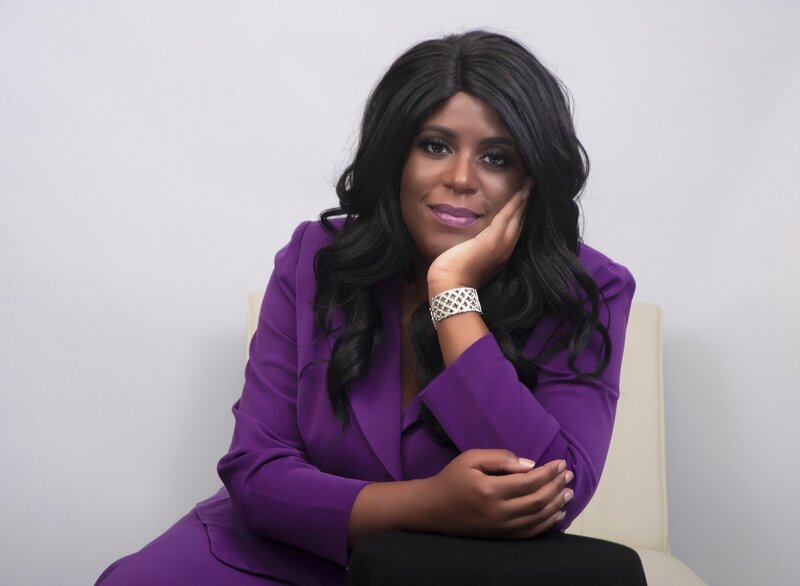
I’m Dr. Twanna, Certified Executive Coach and ICF PCC who helps Black women executives secure bigger bonuses, increase visibility, and create the space to actually enjoy life. I understand the weight of imposter syndrome and the pressure to constantly prove yourself at the top. My coaching equips leaders with the tools, strategies, and confidence to navigate career challenges with clarity and authority.✨ Ready to shift from overworked to unstoppable? Let’s talk.
Read my latest blogs…
- Stop Guessing Your Next Move. How the ProfileXT® Gives Black Women Real Career Clarity
 Key Points: You’ve been in your industry long enough to know something doesn’t fit anymore. The work is fine. You’re good… Read more: Stop Guessing Your Next Move. How the ProfileXT® Gives Black Women Real Career Clarity
 - Executive Visibility for Black Women – Stop Being OverlookedWhy Being Respected Internally Is Not Enough You have delivered results that moved the needle. You are the person your team… Read more: Executive Visibility for Black Women – Stop Being Overlooked
- How Senior Black Women in Tech Know It’s Time for an Executive Career PivotYou’ve earned every credential. You’ve delivered results that moved the business forward. You’ve navigated rooms where you were the only one… Read more: How Senior Black Women in Tech Know It’s Time for an Executive Career Pivot
- Proving vs. Positioning – The Career Strategy Black Women Executives Need Before Their Next MoveYou’ve sat in back-to-back meetings where you were the most prepared person in the room. You’ve delivered results that exceeded every… Read more: Proving vs. Positioning – The Career Strategy Black Women Executives Need Before Their Next Move
- Beyond the Glass-Beating the Concrete Ceiling That Was Never Meant to CrackThere’s a conversation we’ve had for years about the glass ceiling. But if you’re a Black executive woman, you already know… Read more: Beyond the Glass-Beating the Concrete Ceiling That Was Never Meant to Crack
- Why Black Women Leaders Need Sponsorship – Not Just MentorshipBefore we talk strategy, let’s tell the truth. You have the degrees.You have the results.You have the resilience. And still, you’re… Read more: Why Black Women Leaders Need Sponsorship – Not Just Mentorship
- Career Pivot Strategies for Black Women: 7 Powerful Moves to Reclaim Visibility and Lead BoldlyThe Truth About Career Pivots for Black Executive Women Let’s say this plainly: when Black executive women decide to pivot, it’s… Read more: Career Pivot Strategies for Black Women: 7 Powerful Moves to Reclaim Visibility and Lead Boldly
- Strategic Career Mapping for Executive Black Women: 7 Transformative Ways to Align With Your BrillianceIf you’ve ever sat in a boardroom and felt both powerful and invisible at the same time, this is for you.… Read more: Strategic Career Mapping for Executive Black Women: 7 Transformative Ways to Align With Your Brilliance





+ show Comments
- Hide Comments
add a comment